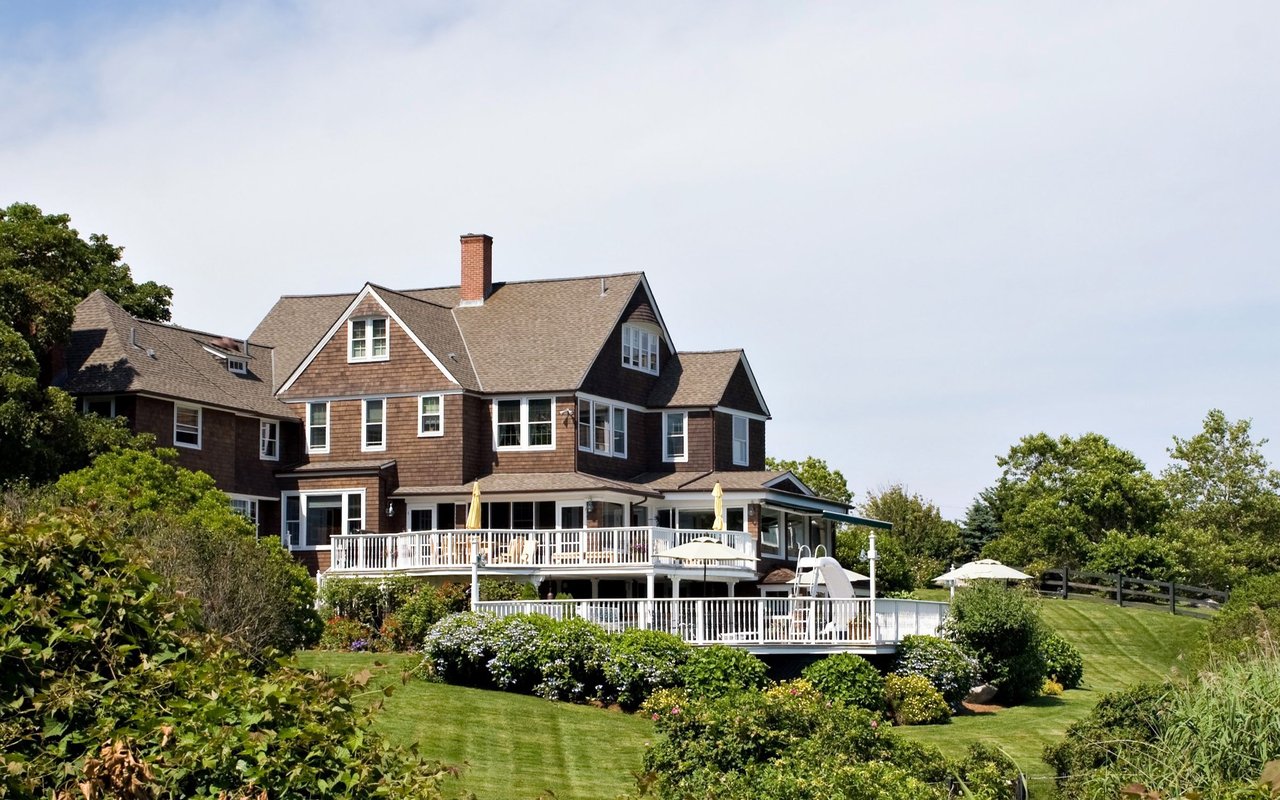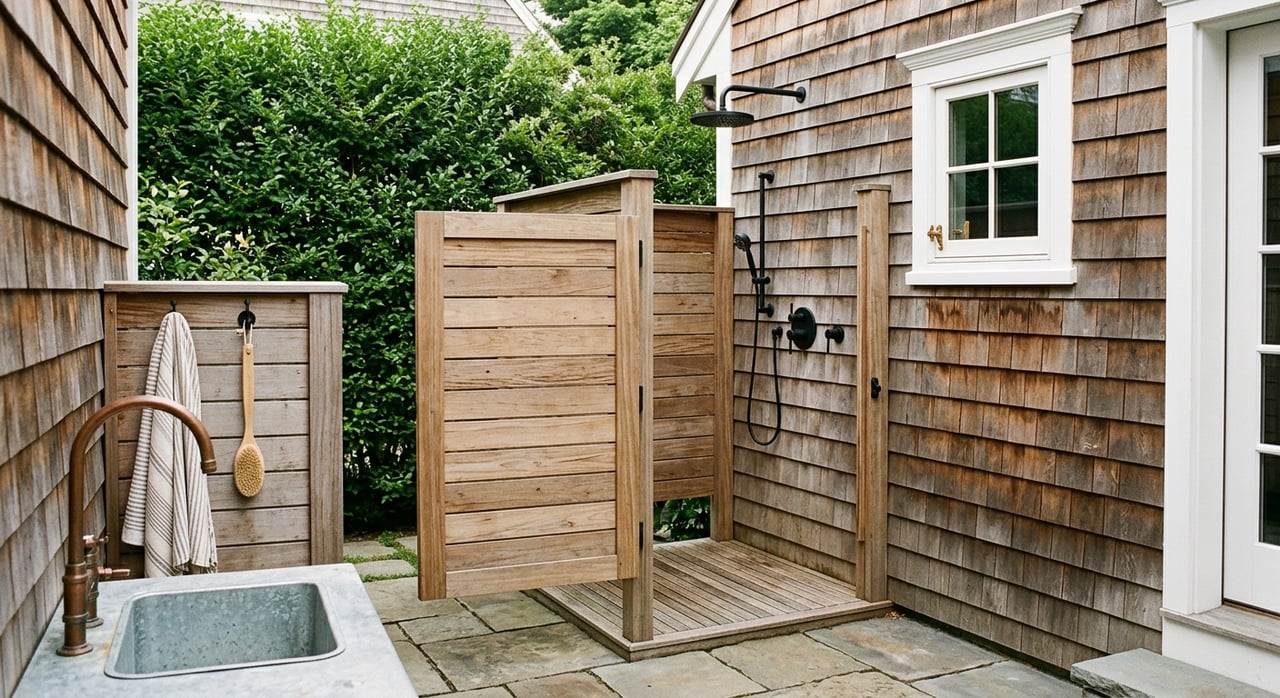
Are you dreaming about a place on Cape Cod where you can slip away for weekends, host summer guests, and enjoy the coast on your own schedule? Buying a vacation home in Osterville can be exciting, but it also comes with very real questions about timing, property condition, flood risk, septic systems, and rental rules. If you want a clearer picture of what to expect before you buy, this guide will walk you through the local market, ownership logistics, and smart next steps. Let’s dive in.
Why Osterville Appeals to Vacation Buyers
Osterville has a long-standing identity as a seaside village within the Town of Barnstable, with a traditional summer-resort feel on Nantucket Sound. Even with a village center that offers shops and services, the area remains largely residential in its land use. That gives many buyers the mix they want: a coastal setting with a village feel, but not a dense resort environment.
For vacation-home buyers, that setting matters. You are often choosing not just a house, but also a rhythm of life. In Osterville, that rhythm tends to center on seasonal living, lower-density neighborhoods, and a housing stock that feels established rather than newly built.
What the Housing Stock Looks Like
In ZIP code 02655, which is a useful proxy for Osterville, about 94.91% of housing units are single-family homes. There are 3,046 total housing units, with 41.3% counted as vacant, and 90% of those vacant homes are used for seasonal, recreational, or occasional use. That tells you right away that this is a market strongly shaped by second-home ownership.
Most homes in the area were built in the 1970s, and occupied homes are overwhelmingly owner-occupied. The 2024 median home value in 02655 is $806,300. Barnstable-wide data also show a housing stock dominated by single-family homes, with most properties built between 1950 and 1999 and only a small share built since 2000.
Expect Character, Not Many New Builds
If you are coming from a mainland suburban market, Osterville may feel different from what you are used to. The local housing stock leans older, and newer construction is relatively limited. That often means more charm and established surroundings, but it can also mean more questions about systems, updates, and ongoing maintenance.
This is where buying with a careful eye really matters. Older homes can be wonderful vacation properties, but you want to understand the condition of the roof, windows, drainage, heating and cooling, and wastewater setup before you fall in love with the location alone.
What Market Timing Means in Osterville
The broader Cape Cod market remains tight, but it is not moving at the same pace seen during the most intense market years. According to the Cape Cod & Islands Association of Realtors 2025 year-end report, single-family homes averaged 58 cumulative days on market, inventory averaged 2.0 months of supply, and sellers received 95.2% of original list price on average. That still points to competition, but it also suggests a more measured environment than a pure bidding-war market.
For buyers looking in Osterville, seasonality still plays a big role. Spring and early summer usually bring more listings and more choices as the busy season ramps up. Winter tends to be quieter, and while that can sometimes create more room for negotiation, the outcome always depends on the specific property, seller, and your readiness to act.
Best Times to Watch the Market
If your top priority is selection, spring and early summer are usually important windows to watch. More inventory tends to come online as sellers prepare for the season. That can help you compare more homes and neighborhoods before making a decision.
If your top priority is a calmer process, late fall and winter may be worth considering. Fewer buyers are actively shopping then, and some sellers may be more open to practical negotiations. Still, the best position is always to be prepared with financing, inspections, and closing logistics lined up in advance.
Why Parcel-Level Due Diligence Matters
One of the biggest mistakes vacation-home buyers can make is assuming that every Cape property comes with the same ownership realities. In Osterville, the village plan specifically points to concerns around low-lying areas, wetlands, runoff, and wastewater impacts. That means two homes just a short distance apart can present very different risks and maintenance needs.
When you are buying here, it is smart to think beyond the listing photos. A pretty coastal home may also come with drainage concerns, elevation issues, or septic questions that affect your budget and long-term plans. Looking at the parcel, not just the house, is a major part of buying well.
Flood Risk Should Be Checked Early
For low-lying or coastal parcels, flood status should be reviewed at the property level before you get too far into the process. FEMA identifies its Flood Map Service Center as the official public source for flood-hazard information. Those maps show how a property relates to higher-risk flood areas, which can affect insurance costs and lender requirements.
This is not something to leave until the last minute. If a home is in or near a mapped flood zone, you will want to understand the practical impact on ownership costs and financing as early as possible.
Septic Is a Major Part of Cape Ownership
In older Cape housing stock, septic systems often deserve close attention. Massachusetts Title 5 guidance says septic systems should be inspected when buying or selling a home, and the state recommends pumping at least once every three years. For many vacation-home buyers in Osterville, this is one of the most important parts of due diligence.
A septic system is easy to ignore when a home looks move-in ready, but it is central to how the property functions. You will want to review inspection timing, repair history, and whether the home is on septic or another wastewater setup. That is especially important if you plan to host guests often or use the property heavily during peak season.
Parking and Summer Use Matter Too
Parking may not be the first thing you think about when buying a vacation home, but it can become a real quality-of-life issue. Osterville’s village planning documents identify parking as a recurring concern in the downtown village area, and Barnstable manages parking at beaches, town landings, and the village center. If you expect guests, beach outings, or multiple vehicles, parking deserves attention.
A home that works well for a couple may feel very different when family and friends visit for a summer week. On-site parking, access, and seasonal traffic patterns can shape how easy the property is to enjoy.
Can You Rent Out an Osterville Vacation Home?
Many buyers like the idea of offsetting carrying costs with rental income. That can be part of the plan in Osterville, but it should never be treated as automatic or passive. Short-term rental use in Barnstable comes with tax, registration, insurance, and compliance requirements that need to be built into your math.
Massachusetts applies the room occupancy excise to short-term rentals of 31 days or less. The state also says operators should register even if the property is usually rented for longer stays, and no tax is due if the property is rented 14 days or fewer in a calendar year and the exemption is properly claimed.
Barnstable Short-Term Rental Rules
Barnstable requires rental properties to register annually with the Town of Barnstable Health Division. Short-term rentals must also register with the Massachusetts Department of Revenue. The town also states that hosts must carry liability insurance policies.
These are not minor details. If you are buying with rental income in mind, you need to confirm the exact requirements for the property and how they fit your intended use before you rely on projected income.
Build the Tax Load Into Your Budget
When the room occupancy excise applies in Barnstable, the total stated tax burden is 14.45%. That includes a 5.7% state tax, a 6% town excise, and a 2.75% Cape Cod & Islands Water Protection Fund excise. That total should be part of any realistic rental-income projection.
It is also smart to factor in insurance, cleaning, local management, and any additional operating costs. A vacation home can sometimes help support itself through rentals, but only when you underwrite it carefully and confirm the rules up front.
A Smart Buying Checklist for Osterville
If you are serious about buying a vacation home in Osterville, keep your search grounded in the local realities of the market.
- Focus on single-family homes first, since they make up the vast majority of the local housing stock.
- Expect older homes and ask detailed questions about updates, deferred maintenance, and major systems.
- Review flood maps early for any property in a coastal or low-lying area.
- Confirm septic status, inspection timing, and service history.
- Consider guest parking and summer access as part of the home’s usability.
- If rental income matters to you, verify Barnstable registration, insurance, and tax requirements before making assumptions.
- Stay flexible on timing so you can take advantage of either stronger seasonal inventory or quieter off-season opportunities.
Final Thoughts on Buying in Osterville
Osterville stands out as a high-character coastal village with a strong seasonal-home market, a mostly single-family housing base, and a quieter residential feel than many buyers expect. It can be an excellent fit if you want a Cape Cod retreat that feels established, local, and tied to the water. The key is to pair the lifestyle appeal with practical due diligence.
That means looking closely at the home as a system and the parcel as a long-term ownership decision. When you understand flood exposure, septic condition, parking, seasonal timing, and rental compliance before you buy, you put yourself in a much stronger position to enjoy the property with confidence.
If you want help evaluating homes in Osterville with a local, practical eye, reach out to John Delellis. I can help you compare properties, spot the questions worth asking, and make a smart plan for your Cape Cod vacation-home search.
FAQs
What makes Osterville, MA appealing for a vacation home?
- Osterville offers a coastal village setting with a traditional summer-resort identity, a largely residential feel, and a housing market strongly shaped by seasonal and second-home ownership.
What types of homes are most common in Osterville, MA?
- The housing stock in the 02655 area is heavily single-family, with about 94.91% of housing units falling into that category and relatively few new-build options.
When is the best time to buy a vacation home in Osterville, MA?
- Spring and early summer often bring more listings and more choice, while late fall and winter can be quieter and may offer a less competitive pace for prepared buyers.
What property risks should buyers check in Osterville, MA?
- Buyers should review parcel-specific flood exposure, drainage, elevation, septic condition, and practical issues like parking, especially for homes in coastal or low-lying areas.
Do vacation homes in Osterville, MA often have septic systems?
- Many older Cape properties may rely on septic systems, so buyers should confirm the setup, review inspection timing, and understand any maintenance or repair history during due diligence.
Can you use an Osterville, MA vacation home as a short-term rental?
- Possibly, but you need to confirm Barnstable registration requirements, Massachusetts tax rules, liability insurance needs, and the property’s suitability for your intended rental use before relying on rental income.
What taxes apply to short-term rentals in Barnstable, MA?
- When applicable, Barnstable states the total short-term rental tax burden is 14.45%, made up of the state tax, town excise, and Cape Cod & Islands Water Protection Fund excise.