If you are drawn to East Sandwich, chances are you are not looking for cookie-cutter housing. You are probably looking for character, coastal setting, and a home that feels connected to Cape Cod’s older building traditions. The good news is that East Sandwich often delivers exactly that, but these homes come with a different kind of buying process. This guide will help you understand what cottage and antique homes in East Sandwich tend to look like, what makes them appealing, and what to check before you buy. Let’s dive in.
Why East Sandwich Feels Different
East Sandwich has a distinctly preservation-minded feel. Rather than a dense village center, it is better understood as a coastal area shaped by older homes, natural features, and limits on new development.
Along the Route 6A corridor, wetlands and historic-district constraints make large-scale change more difficult. In practical terms, that means you are more likely to see renovation, reuse, and thoughtful additions than entirely new patterns of development.
That setting is part of the appeal. Murkwood Conservation Lands, which span more than 80 acres in East Sandwich along Historic Route 6A, overlook Scorton Marsh and East Sandwich Beach and reinforce the area’s scenic, low-key coastal character.
What the Housing Stock Suggests
Across Sandwich, about 90% of residential properties are single-family homes, while about 7% are multifamily. Most housing in town was built between 1950 and 1999, and only about 13% of housing units are used seasonally.
For you as a buyer, that helps frame East Sandwich realistically. This is not a market dominated by large condo buildings or dense residential blocks. It is a place where detached homes, older cottages, and homes that have been expanded over time are a major part of the landscape.
Common East Sandwich Home Styles
Cape Forms and Antique Layouts
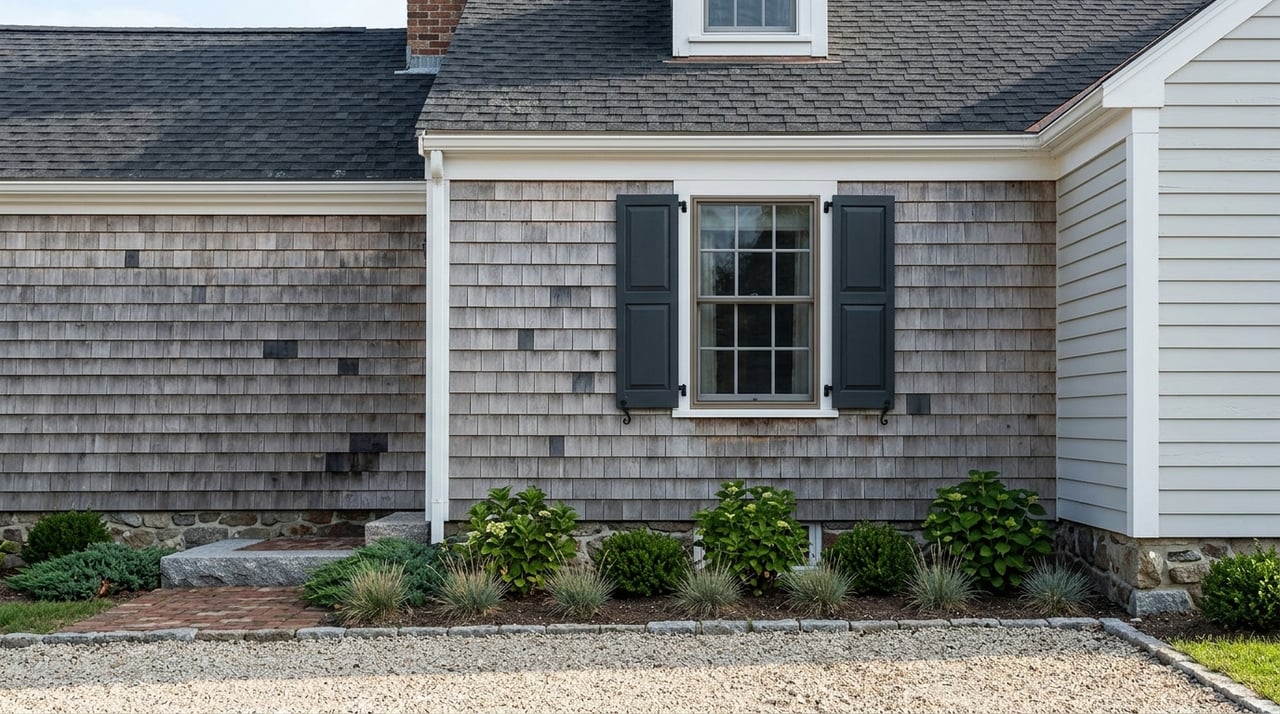
Many of the older homes you will see in East Sandwich follow classic Cape and antique New England forms. These homes often began as compact, symmetrical structures with a central chimney, front rooms on either side of a small entry, and a kitchen stretching across the rear.
Steep roofs, wood cladding, and evenly spaced windows are common visual cues. In some homes, later updates introduced Colonial Revival features while keeping the original balanced look intact.
Cottages Expanded Over Time
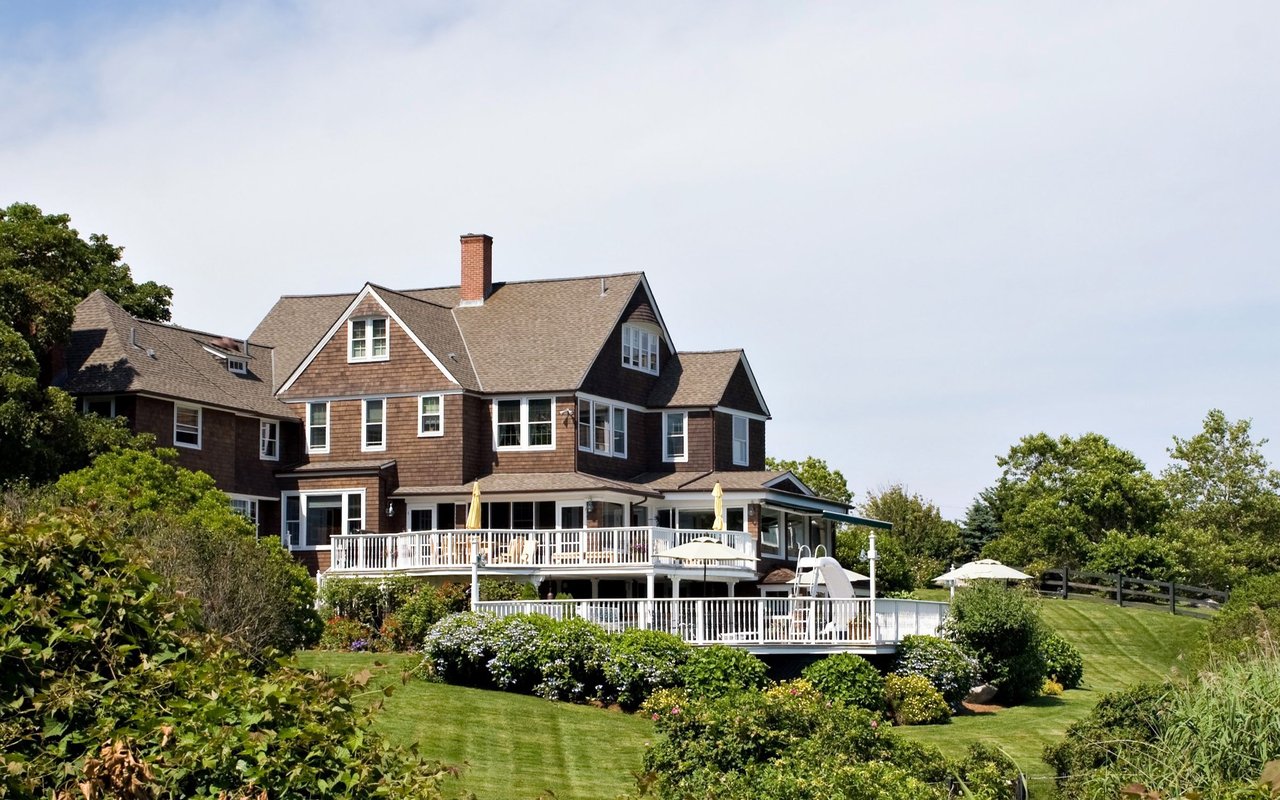
One of the most interesting things about East Sandwich homes is how often older cottages were adapted for year-round living. A modest seasonal structure may now include rear additions, dormers, enclosed porches, or finished upper rooms.
These changes can add needed living space without losing the original Cape feel. You may also notice Shingle Style influences, such as continuous wood shingles, more irregular massing, porches, or eyebrow dormers.
Why Buyers Love These Homes
The appeal is easy to understand. Older cottages and antique homes often offer charm, scale, and architectural details that feel hard to replicate in newer construction.
They also tend to sit naturally within the East Sandwich landscape. When a home has matured over time with its lot, plantings, and surrounding roadways, it can create a sense of place that many buyers find especially compelling.
Quirks to Expect in Older Homes
Character usually comes with tradeoffs. In antique and older Cape homes, you should expect features like steep stairs, low headroom on upper levels, smaller room sizes, and floor plans that do not always flow like a newer house.
Older masonry chimneys are also common, and additions may not match the original structure perfectly. That does not mean the home is a bad fit. It simply means you need to evaluate it with clear eyes and understand what is original charm versus what may become a repair or renovation project.
This is where technical perspective matters. If you are considering an older East Sandwich property, it helps to look at the house as a system, not just as a style. Layout, moisture, structure, age of systems, and how later additions connect to the original building all deserve attention.
Historic District Rules Matter
Exterior Changes May Need Review
If a home is in the Old King’s Highway district, exterior work may be subject to review by the Sandwich Historic District Committee. The committee reviews changes for congruity, compatibility, and appropriateness with the historic character of Sandwich.
That can affect more than major additions. Depending on the project, items such as windows, porches, sheds, fences, signs, and demolition-related work may involve the local historic district process.
Plan Early, Not Late
If you already know you want to renovate, it is smart to ask questions early. A home that looks like a simple cosmetic update on paper may involve a longer planning path once exterior approvals enter the picture.
For buyers who love older homes, this is not necessarily a negative. It is just part of owning property in an area where historic character is actively protected.
Coastal and Environmental Considerations
East Sandwich’s coastal setting is a big reason people love it, but it can also affect what you can do with a property. If a home is near the bay, marsh, or another coastal resource area, floodplain rules and wetland-related permitting may matter.
Before you plan an addition, major exterior work, or storm-damage repairs, verify the property’s flood status and whether coastal resource constraints apply. In some cases, official determinations may be needed before permits can move forward.
This is especially important in East Sandwich, where natural features are part of the area’s identity. The same setting that makes a property special can also shape how future work gets reviewed.
Due Diligence for Cottage and Antique Homes
Start With a Licensed Home Inspection
Massachusetts protects a buyer’s right to obtain a home inspection in residential sales, and inspections must be completed by a licensed home inspector. A standard home inspection is a visual review of readily accessible and observable systems and components.
That is an important starting point, but it is not always the whole picture for an older home. If the inspector identifies signs of structural movement, moisture issues, aging systems, or other concerns, additional specialty evaluations may be worth pursuing.
Septic Is a Core Part of the Process
Sandwich does not have sewer service, which makes septic due diligence especially important. Massachusetts requires Title V septic inspections for many property transfers, so this is often part of the baseline process rather than an extra step.
For cottage and antique homes, septic questions can be especially relevant if the home has been expanded over time. A layout that grew from seasonal use to year-round use may deserve a close look to confirm the system matches the property’s current setup.
Well Water Should Be Verified
About 2,500 households in Sandwich rely on private domestic wells, primarily in East Sandwich. That makes private-well due diligence a normal part of buying in the area.
Massachusetts recommends that prospective buyers test private-well water before purchase using a certified lab. Even if a home seems move-in ready, water quality is something you want confirmed, not assumed.
Test for Radon
The state says any home can have elevated radon, and testing is the only way to know. Because many buyers focus first on visible charm and cosmetic features, radon can be easy to overlook.
In an older East Sandwich home, radon testing is a practical step that helps round out your overall risk review before closing.
Check Lead History in Older Homes
For pre-1978 homes, lead due diligence should also be part of your thinking. Massachusetts recommends checking lead history and, when appropriate, hiring a licensed lead inspector because older paint and friction surfaces can still present hazards.
That does not mean every older home is a problem. It means age alone should trigger a more informed review so you understand what may need attention.
How to Shop These Homes Wisely
If you are serious about East Sandwich cottages or antique homes, it helps to balance emotion with process. These homes often win buyers over quickly, so having a framework can keep you grounded.
Here are a few smart questions to ask as you evaluate a property:
- How much of the home appears original, and how much was added later?
- Do the additions feel well integrated with the original structure?
- Is the property likely to involve historic district review for your planned updates?
- Are floodplain or wetland constraints likely to affect future work?
- Have septic, well, radon, and lead concerns been fully investigated?
- Are you comfortable with quirks like smaller rooms, steeper stairs, or low upper-level ceilings?
If you can answer those questions with confidence, you are much more likely to know whether the home’s charm fits your budget, goals, and tolerance for future projects.
Why East Sandwich Appeals to So Many Buyers
East Sandwich offers something many buyers want but struggle to find elsewhere on Cape Cod: older homes with personality in a scenic coastal setting that still feels grounded in year-round residential life. The area’s single-family housing pattern, preservation-minded regulations, and natural surroundings all support that identity.
For the right buyer, that combination can be incredibly rewarding. You may be buying a smaller cottage, a classic Cape, or an antique home that has evolved over generations, but in each case you are buying into a setting where history and daily life still feel closely linked.
If you are thinking about buying or selling in East Sandwich, I can help you look beyond surface charm and evaluate the real-world details that matter. From home condition and renovation considerations to local market guidance, John Delellis offers hands-on, neighborhood-focused support across the Sandwich and greater Cape Cod market.
FAQs
What kinds of homes are common in East Sandwich?
- East Sandwich is largely a single-family home area, and buyers will often find detached homes, older cottages, classic Cape-style houses, and antique homes that may have been expanded over time.
What should buyers expect from an antique home in East Sandwich?
- Buyers should expect possible quirks such as steep stairs, low upper-level headroom, smaller rooms, older chimneys, and additions that may not fully match the original floor plan.
Do East Sandwich homes fall under historic district rules?
- Some homes do, especially within the Old King’s Highway district, where exterior changes may be reviewed by the Sandwich Historic District Committee for compatibility with the area’s historic character.
Why are septic and well checks important in East Sandwich?
- Sandwich has no sewer service, and many East Sandwich households rely on private wells, so septic inspections and well water testing are often essential parts of the buying process.
Should buyers test for radon and lead in East Sandwich homes?
- Yes, radon testing is recommended because any home can have elevated radon, and pre-1978 homes may also warrant lead history review and a licensed lead inspection when appropriate.