Choosing between saltwater views and a strollable village address in Mashpee? You are not alone. Many early-stage buyers start here, weighing beach access, pond life, marinas, and the convenience of Mashpee Commons. In this guide, you will get a clear map of Mashpee’s main lifestyle zones, the trade-offs that matter, and a simple checklist to move you from browsing to confident shortlisting. Let’s dive in.
How Mashpee is laid out
Think of Mashpee in four lifestyle zones. The inland town hub is Mashpee Commons at the rotary where Routes 28 and 151 meet. From there, Great Neck Road South takes you to New Seabury and South Cape Beach along Nantucket Sound. Popponesset and Popponesset Bay frame much of the southern shoreline and estuary. To the north, Mashpee-Wakeby and Santuit ponds anchor freshwater living, while the Mashpee and Quashnet rivers flow toward the bay.
If you want to be near shops and dining, living around the Commons puts you minutes from daily needs. If you want sand and ocean breezes, the New Seabury and Popponesset area focuses your search. Pond lovers will look around Mashpee-Wakeby, Santuit, and John’s Pond. Boaters who favor moorings and estuary access will watch the Mashpee River corridor and Popponesset Bay.
Ocean and bayfront living: New Seabury and Popponesset
What you will find
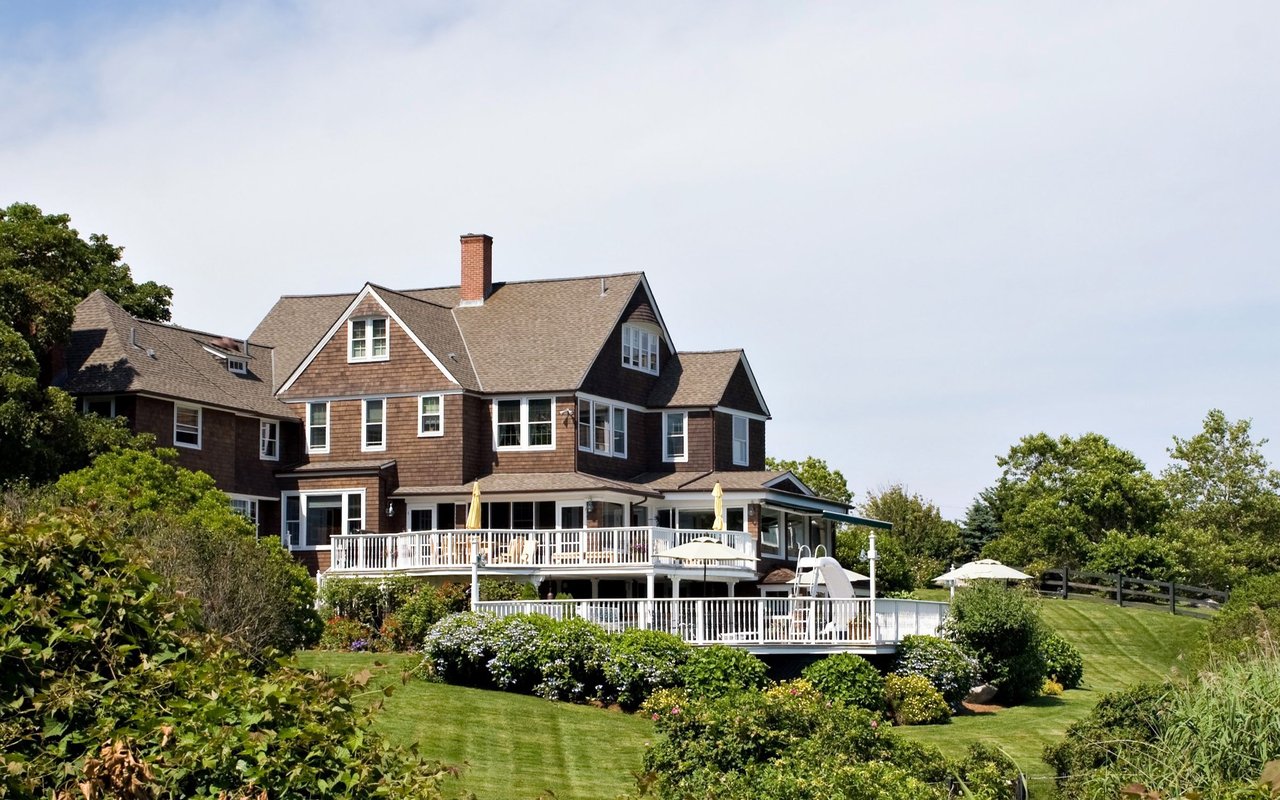
Along the southern shoreline, you will see planned resort-style neighborhoods, private club amenities, and a range of coastal homes. The Club at New Seabury anchors golf, pools, beach clubs, and a marina within a private setting, with many homes in association-managed enclaves. You will also find seaside cottages, renovated Cape-style homes, custom houses on narrow coastal lots, and condo or villa clusters connected to amenities. Explore the area’s lifestyle and amenities through the community site for The Club at New Seabury.
Access, beaches, and rules
Beach access here is a mix of private, association, and limited public points. Popponesset Spit is a fragile barrier peninsula with private management and restoration history. In many cases, parking and general public access are restricted, so it is important to confirm the specific beach rules for any property or association. Review a neutral overview of access limits at Popponesset Spit.
Buyer trade-offs and costs
If you want direct boating or ocean access, this zone delivers. Expect HOA or club fees, association rules, and approvals for any dock or in-water change. Coastal exposure can increase exterior maintenance. Flood zones may apply, which can affect insurance and elevation requirements. You get the classic Cape coastal lifestyle, but with added cost and governance that you will want to understand up front.
Pondfront and freshwater living: Mashpee-Wakeby, Santuit, John’s Pond
Lake life and access
Mashpee-Wakeby is Cape Cod’s largest freshwater system at about 729 acres combined. You will find boating, kayaking, and swimming, with a state-maintained launching ramp off Route 130 and small private docks on some lots. Local beaches and conservation trails add to day-to-day recreation. Learn the basics through this overview of Mashpee and Wakeby Ponds.
Water quality and seasonal advisories
Like many Cape ponds, Mashpee-Wakeby and nearby watersheds have seen nutrient-driven issues such as algal blooms. The town and partners are advancing wastewater and stormwater projects to reduce nutrient loading, which can influence both property costs and long-term desirability. See a summary of the local effort in this report on a wastewater project to clean up Mashpee-Wakeby. Smaller ponds like Santuit have had cyanobacterial advisories at times, which can limit swimming and in-water recreation during those periods. For context on impacts, review this note on toxic algae disruptions at Santuit Pond.
What to check before you buy
- Ask about septic and any planned sewer or cluster projects that could affect your parcel. Those projects can change costs and timelines.
- Confirm whether a property’s dock or shoreline stairs are permitted. For inland “great ponds,” in-water structures may still trigger state and local approvals.
- If you plan to swim or boat, ask your agent to pull recent water-quality advisories and town Board of Health updates for the immediate area.
Tidal rivers, estuaries, and moorings
Where this lifestyle sits
Between the ponds and Nantucket Sound, low-lying tidal corridors and marshland feed Popponesset Bay. This estuary system offers shellfishing, wildlife, and mooring-based boating to the bay and beyond. You will see homes overlooking marsh and river, and communities organized around access to small marinas or mooring fields.
Permits and moorings 101
Any dock, pier, float, dredging, or beach nourishment in tidal waters usually needs a state waterways authorization under Chapter 91, the Massachusetts Public Waterfront Act, along with local Conservation Commission review. Mooring placement and floats are typically administered by the local harbormaster each season. If you are counting on a private dock, budget time for a multi-agency process and verify that approvals can be obtained based on site conditions and public-rights requirements.
Village living around Mashpee Commons
What village life feels like
If you want to park the car and live near daily needs, the Commons is Mashpee’s year-round activity center. It offers restaurants, shops, markets, and events in a walkable, mixed-use setting with residences integrated around retail. See how the district describes itself on the Mashpee Commons overview.
Who it suits and trade-offs
Village living is designed for convenience and low-maintenance lifestyles. You trade larger yards for walkable services and seasonal energy. Buyers seeking privacy and bigger lots often look just beyond the Commons in nearby single-family neighborhoods, still within a few minutes’ drive. If your daily life values errands on foot and quick access to dining and events, this zone should be on your shortlist.
Seasonal vs year-round realities
Whether you choose waterfront or the village, a few practical items drive operating costs and approvals on Cape Cod. Keep these in view:
- Septic and wastewater. Many homes rely on septic. In sensitive pond watersheds, Mashpee and its partners are rolling out nutrient-reduction projects. Those can change resale requirements and future hookup costs, especially near Mashpee-Wakeby.
- Docks and shoreline work. Tidal and great-pond structures often need state approval and local Conservation orders. Plan ahead for permitting windows and engineering.
- Flood, erosion, and insurance. Coastal or low-lying properties may sit in FEMA Special Flood Hazard Areas, which can affect insurance and elevation needs. Ask your lender or agent to review FEMA mapping and the basics of floodplain requirements.
- Short-term rental taxes and registration. Massachusetts applies a statewide room occupancy excise and lets towns add a local excise and fees. Owners must register and comply. Read the state’s framework in the 2018 short-term rental law.
- Coastal maintenance and winterization. Salt air accelerates wear on exteriors and metal. Seasonal homes may need pipe winterization and more frequent exterior care. Newer construction or updated materials can help reduce upkeep.
Quick buyer checklist for Mashpee
Use this to narrow options fast:
- Pick your lifestyle zone first
- Ocean/bayfront resort communities
- Pondfront or lakefront around Mashpee-Wakeby, Santuit, John’s Pond
- Tidal river/estuary with moorings and dock considerations
- Walkable village living near Mashpee Commons
- Run three key checks
- Water access and governance. Is access public, private, or association-controlled? What are the rules for beaches, parking, guests, and dock use?
- Flood/septic sensitivities. Is the property in a FEMA flood zone? Is it on septic, and are there pending wastewater projects in that watershed?
- Recurring fees and obligations. Review HOA or club fees, beach or mooring fees, and any special assessments for infrastructure.
- Plan for approvals
- For docks, floats, or tidal work, expect Chapter 91 and Conservation Commission reviews, plus harbormaster coordination.
- For pondfront changes or grading near wetlands, expect local Conservation filings.
If questions pop up, your next stops are the town Conservation office, Harbormaster, and Board of Health. Your agent can also help you prepare documents and timelines for these steps.
What homes cost right now
Mashpee is a smaller Cape Cod town with an estimated population of about 15,482 as of mid-2024. Market indicators vary by data vendor and methodology. Recent summaries have shown a median sale price near the mid- to upper-500s by one source and a higher home-value index in the upper-600s by another. Take these as directional. When you get serious about a property type and zone, your best lens is a fresh, like-for-like comp set within that micro-area.
Ready to narrow your search?
If you can name your lifestyle zone, we can map neighborhoods, pull micro-market comps, and line up the right permit and infrastructure checks. When you are ready, reach out to John Delellis for neighborhood guidance and a clear plan tailored to how you want to live in Mashpee.
FAQs
What is the difference between Mashpee’s ocean/bayfront and pondfront living?
- Ocean and bayfront areas like New Seabury and Popponesset focus on private beaches, club amenities, and saltwater access, while pondfront areas like Mashpee-Wakeby emphasize freshwater boating and swimming, with septic and water-quality projects shaping long-term considerations.
Can I build a private dock in Mashpee?
- It depends on location and regulations. Tidal docks require state authorization under Chapter 91 plus local Conservation and harbormaster approvals; pondfront structures can also trigger local and state reviews.
How do flood zones affect Mashpee waterfront homes?
- Homes in FEMA Special Flood Hazard Areas may require flood insurance and mitigation steps. Ask your lender or agent to review the FEMA basics on floodplain requirements and confirm the property’s map location.
What should I know about Mashpee’s short-term rental rules?
- Massachusetts applies a statewide occupancy excise and allows towns to add local excise or fees. Owners must register and comply with the 2018 short-term rental law; always verify current Mashpee requirements before listing.
What is village living like around Mashpee Commons?
- You trade larger yards for walkable access to restaurants, shops, markets, and events in a mixed-use district. See how the area describes its offerings on the Mashpee Commons overview.