A buyer researching Osterville for the first time usually does what anyone does: opens a few tabs, pulls up the median home price on each one, and expects the numbers to roughly agree. In most towns they do. In Osterville, they don't, not even close. One portal's rolling three-month window can show the median cut by more than half year over year, while the price per square foot for the same stretch is up in the double digits. Those two numbers are not a contradiction. They're a symptom.
The symptom is this: Osterville doesn't have one housing market. It has at least two, and they barely overlap. A village-center cottage a few blocks from Wimpy's Seafood Cafe & Market and a gated waterfront estate on Oyster Way are both technically "Osterville real estate," the same way a bicycle and a container ship are both technically vehicles. Averaging their prices together produces a number that describes neither.
Why the Portals Don't Agree
None of the sites reporting a median for Osterville are wrong, exactly. They're each answering a slightly different question, over a different window, from a different slice of the same small, lumpy dataset. Osterville sells few homes in any given quarter. When a market is that thin, one $12 million closing landing (or not landing) inside the reporting window can swing the median by tens of percentage points without a single home actually changing in value.
That's the mechanism behind the wild year-over-year swing showing up on national portals right now: the median moved because the mix of what happened to close shifted, not because Osterville got cheaper. The price-per-square-foot figure moving in the opposite direction, upward, over the same window is the tell. If actual home values had fallen by half, cost per square foot would have fallen with them. It didn't. What changed was which tier of the market happened to transact.
Two Names, Two Clubs, Two Very Different Products
Osterville's split isn't abstract. It has an address.
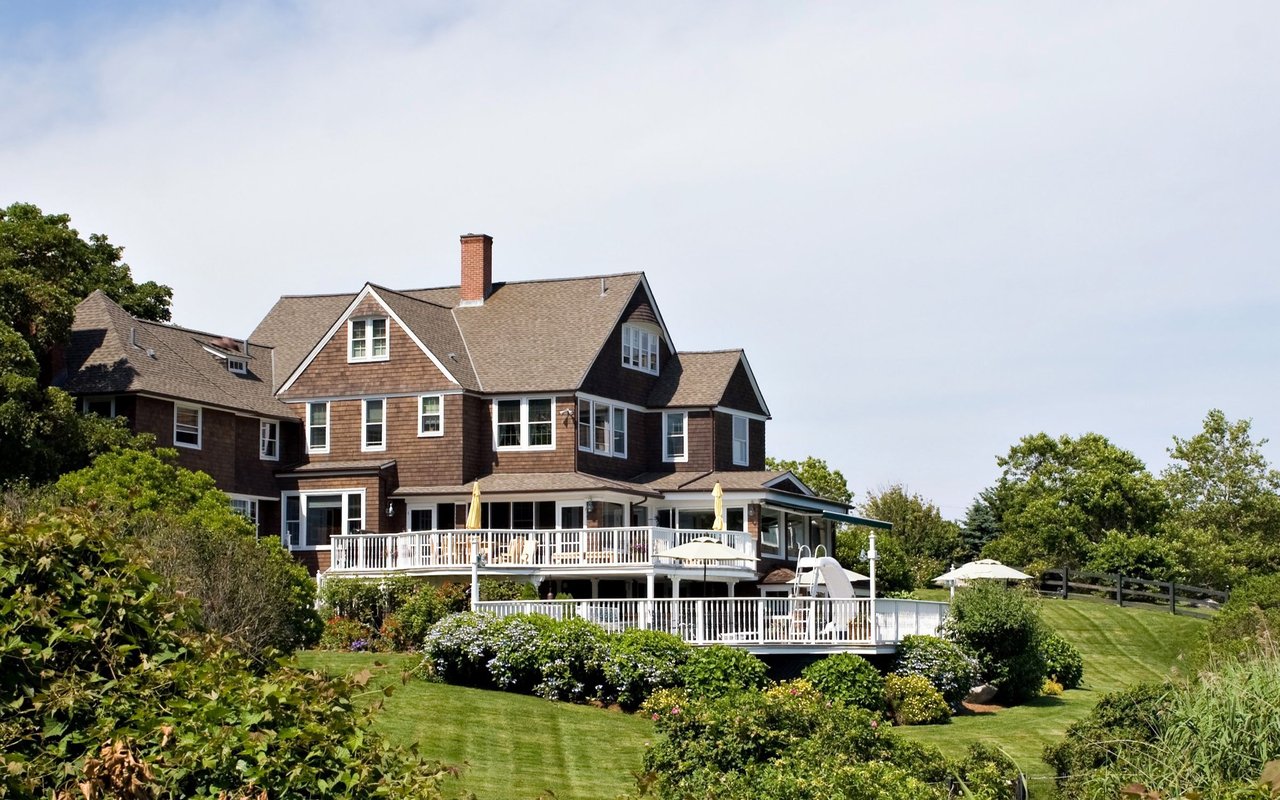
The Wianno area is the historic core: the Wianno Club, shingle-style architecture, and a 40-acre historic district encompassing 41 buildings that was added to the National Register of Historic Places in 1987. It was built as a summer resort in the late 1800s and it still reads that way, walkable, established, architecturally consistent.
Oyster Harbors is a separate place entirely. It sits across a private steel bridge on Little Island and Grand Island, gated, with its own club and 18-hole golf course. A home there isn't competing with a Wianno cottage for the same buyer. It's competing with other gated, deep-water, 24-hour-security communities on the Cape, a much smaller and much wealthier pool.
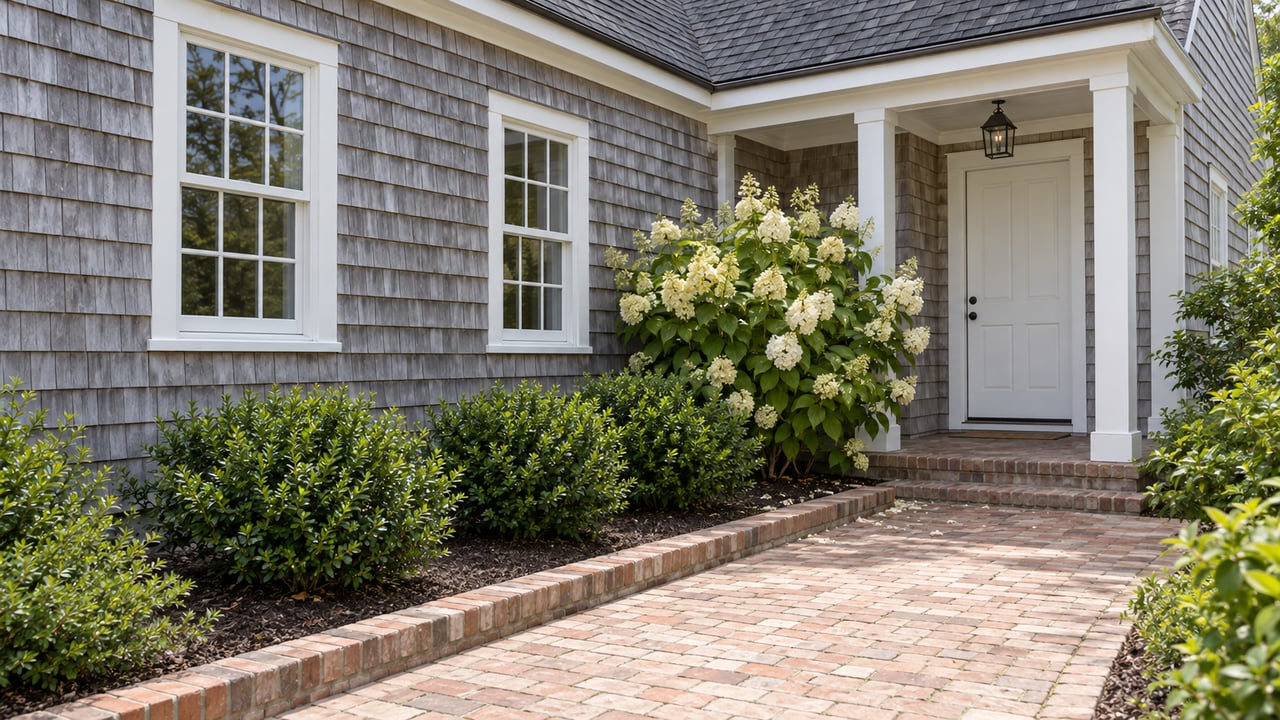
Village Center is the third piece, the part of Osterville that looks like an actual town: Fancy's Market, Wimpy's, Crisp for flatbread pizza, North Sister Café, a walk to Dowses Beach and Armstrong-Kelley Park. This is where a buyer with a conventional budget actually has a shot, when a cottage comes up. It doesn't come up often.
Here's roughly what that split looks like in practice this year:
| Osterville Submarket | Typical Range | What It Actually Buys |
|---|---|---|
| Village Center Cottages | $850K – $1.8M | A small, older home walkable to the shops and Dowses Beach. Rarely listed, quickly under agreement. |
| Turnkey Luxury Estates | $4.5M – $12M+ | Renovated homes with updated systems and modern amenities, not on the water but built to a high standard. |
| Waterfront Compounds (Oyster Harbors, Seapuit, Wianno waterfront) | $15M – $30M+ | Private docks, deep-water access, guest houses, broad Nantucket Sound or bay views. |
A blended median tries to describe all three rows with one number. It can't.
The Third Variable: Condition Now Splits Each Tier Again
There's a second layer to this that matters even if a buyer has already picked their tier. Cape Cod renovation costs and contractor backlogs have gotten expensive and slow enough that buyers this year are paying a real premium to avoid them. A move-in-ready home is pulling a noticeably higher price than a comparable home that needs work, even within the same submarket. That's true in the cottage tier and it's true among the estates.
The flip side is that buyers with the appetite and timeline for a renovation are finding real relative value right now, specifically because the rest of the market is avoiding "project" listings. A cottage that needs a kitchen and a roof isn't priced like a turnkey cottage anymore. It's priced lower, sometimes meaningfully so, because fewer buyers are willing to take it on. For someone who is willing, that gap is the opportunity.
What the Slowdown Around Osterville Actually Says
None of this is happening in a vacuum. Barnstable, the town that contains Osterville, saw residential sales fall 11.8 percent in August 2026 even as Cape Cod's overall median sale price rose 4.7 percent year over year to $758,000 through the same month, according to market data compiled by the Cape Cod & Islands Association of Realtors. Mid-Cape specifically posted a median of $660,000 over that stretch.
Put together, the picture isn't a town getting cheaper or a town overheating. It's a town where fewer transactions are happening at the same time prices are holding or climbing, which is exactly the kind of environment where a thin, high-variance market like Osterville produces headline numbers that look unstable. Fewer sales means each individual sale carries more statistical weight. Osterville isn't an outlier from the county trend. It's the county trend, magnified by a smaller sample.
What to Compare Instead of the Median
If you're weighing Osterville against a village like Cotuit or Centerville, comparing headline medians is comparing a number built from three different products against a number built from something closer to one. It won't tell you what you can actually buy.
A more useful comparison starts with the tier, not the town: what does a village-center cottage in Osterville cost against a comparable cottage elsewhere, and separately, what does a turnkey estate cost against another town's equivalent. Days on market and condition matter more than the blended figure ever will, especially in 2026, when the gap between a renovated home and a project home has widened inside every price bracket.
Frequently Asked Questions
Is there an entry point into Osterville under a million dollars? Occasionally. Village Center cottages have traded in the high $800,000s to $1.8 million range, but they're rare and tend to move quickly once listed. They're the exception inside a market otherwise dominated by much higher price points.
Why did one site show Osterville's median falling by more than half? Low transaction volume. A single high-value sale landing inside or outside a three-month reporting window can swing a small market's median dramatically without reflecting an actual change in home values. Price per square foot, which moved upward over the same period, is a more stable read on value.
Are Wianno and Oyster Harbors the same neighborhood? No. Wianno is a historic district built around its own club and shingle-style architecture. Oyster Harbors is a separate, gated community reached by a private bridge, with its own club and golf course. They're both part of Osterville but they function as distinct submarkets with different buyers.
If you're trying to figure out which slice of Osterville actually fits your budget and your renovation appetite, that's a conversation worth having before you start touring. I'd rather walk you through the real tiers than let a blended number set your expectations. Reach out to John DeLellis and let's talk about what your number actually buys in this village.