Wondering how much you really need to do before listing your Barnstable home? If you are getting ready to sell, it is easy to feel stuck between doing too little and spending money where it will not pay off. The good news is that in Barnstable, the smartest pre-listing plan is usually practical, not extreme. You can focus on the repairs, records, and presentation details that help buyers feel confident from the first photo to the final walkthrough. Let’s dive in.
Start With Barnstable’s Market Reality
Barnstable’s housing stock gives sellers an important clue about how to prepare. About 83% of residential properties are single-family homes, and roughly 75% were built between 1950 and 1999. That means many buyers already expect some homes to have age, character, and a few older systems.
At the same time, buyers still want a home that feels well cared for. In March 2026, Barnstable County had a 2.1-month supply of single-family homes, and sellers received 95.9% of original list price on average. In a market like that, clean presentation and believable condition often matter more than chasing a full remodel.
Barnstable’s 2025 median home sales price was $715,000, which shows the value buyers see in this market. Your goal is to support that value by removing obvious concerns before your home hits the market.
Focus on Confidence, Not Over-Improvement
The best listing prep does not try to make your home something it is not. It helps your home show as maintained, functional, and easy to understand. That is especially important in a town with older housing and buyers who have a clear right to a home inspection.
A strong prep plan usually does three things:
- Fixes issues buyers will notice right away
- Organizes documents that could slow the sale
- Avoids expensive projects that may not be finished or fully recouped
This approach fits Barnstable well. You want to reduce friction in photos, showings, inspections, appraisal, and financing, while keeping your budget under control.
Handle the Non-Negotiables Early
Before you think about staging pillows or fresh mulch, take care of the items that can delay a closing.
Check Smoke and Carbon Monoxide Alarms
Massachusetts requires working smoke alarms and, in most homes, carbon monoxide alarms. When selling a one- or two-family home, you need a certificate of compliance from the local fire department showing the alarms meet transfer requirements.
In general, smoke alarms should be on every level and in sleeping areas. Carbon monoxide alarms are required on every level, including habitable basements and attics in most homes. If this is not handled early, it can become a last-minute closing problem.
Schedule a Septic Inspection if Needed
If your home has a septic system, Title 5 generally requires an inspection when a home is bought or sold. These inspections are generally valid for two years, or three years if the system is pumped annually and you have the records.
Because scheduling can take time, it makes sense to start early. If weather prevents a pre-sale inspection, the inspection can sometimes be completed up to six months after transfer if the buyer is notified in writing.
Gather Lead Paint Records for Older Homes
If your home was built before 1978, federal and Massachusetts lead-paint notification rules apply to the transfer. That does not mean there is a problem, but it does mean the paperwork matters.
If you have any lead records, reports, or past compliance documents, pull them together before listing. It is much easier to do this now than when offers are already on the table.
Review Permits and Final Sign-Offs
Barnstable’s Building Division oversees permitting, zoning enforcement, and code-related reviews. One key detail matters here: a permit marked completed in the online system is not necessarily signed off.
If you have done renovations, additions, windows, roofing, siding, plumbing, electrical, or other major work, confirm that final inspections were completed and the permit was properly closed out. Buyers often ask for this documentation, and unanswered permit questions can create avoidable stress.
Think Ahead on Coastal or Wetland Lots
If your property is near a beach, pond, marsh, or other coastal feature, do not treat exterior work like a standard suburban project. Barnstable’s Conservation Division protects wetlands and shorelines, and some work may need added local review.
It is also smart to understand your flood or coastal-hazard context early by reviewing the town’s flood-zone mapping before making exterior decisions. This helps you avoid surprises and answer buyer questions with more confidence.
Prep the Exterior First
On Cape Cod, buyers care deeply about environmental quality, access to the coast, and outdoor recreation. Those values show up in the way people react to a home the moment they pull up.
That is why exterior prep deserves your attention first. The outside of the home sets the tone for everything that follows.
What to Tackle Outside
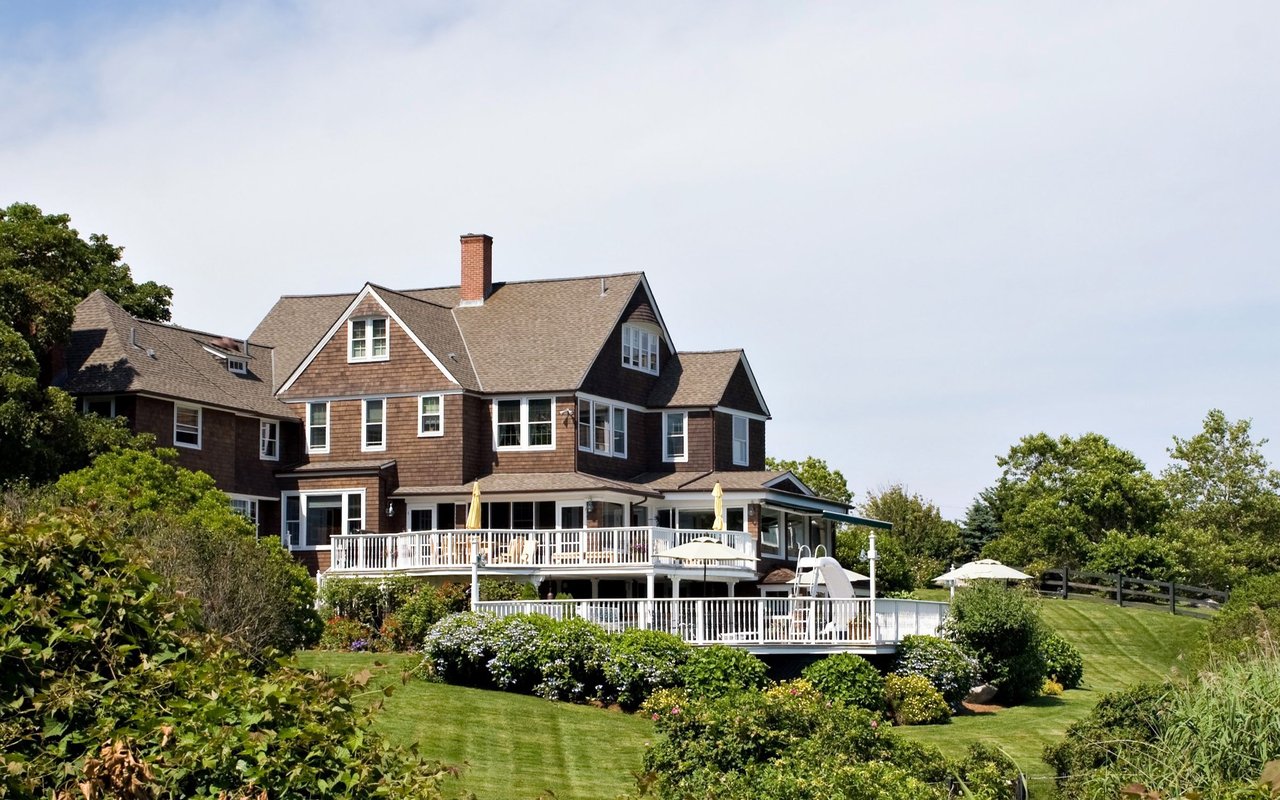
Focus on the basics that shape first impressions:
- Roof edges and visible roof condition
- Gutters and downspouts
- Trim, siding, and shutters
- Front steps and walkways
- House numbers and porch lighting
- Front door paint or hardware
- General landscape cleanup
You do not need a dramatic transformation. A neat, maintained exterior often does more for buyer confidence than a long list of flashy upgrades.
Refresh Kitchens and Baths the Smart Way
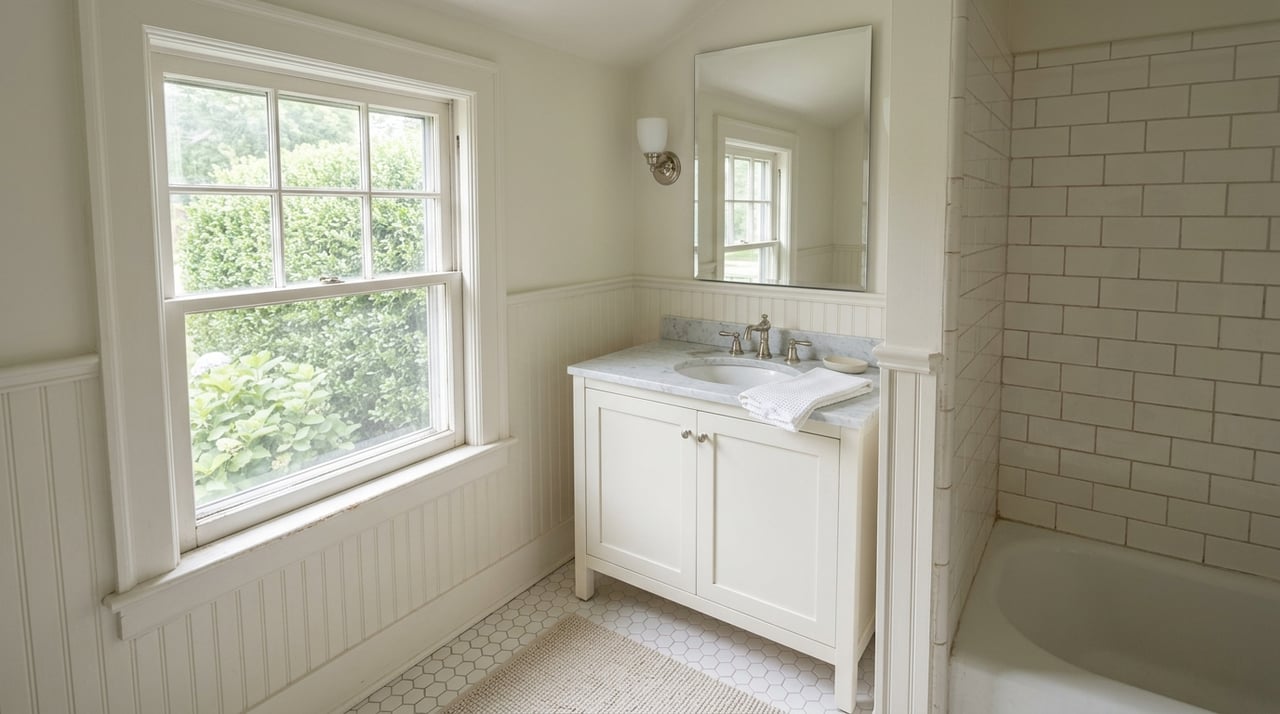
In many Barnstable homes, kitchens and baths may not be brand new, and that is okay. What matters most is whether they feel clean, functional, and cared for.
For most sellers, the best path is a light refresh rather than a full renovation. Large remodels can be expensive, time-consuming, and hard to finish before launch.
Small Updates That Can Help
Consider practical improvements like:
- Fresh caulk
- Clean grout
- Repaired leaks
- Updated light fixtures
- Tightened or replaced cabinet hardware
- Neutral paint
- A true deep clean
These changes help dated spaces feel more trustworthy. Buyers are often more comfortable with an older room that looks maintained than a half-finished project.
Simplify Living Areas and Bedrooms
Inside the home, your job is to make each room feel open, bright, and easy to understand. Clutter can make a home feel smaller, while too much furniture can interrupt flow.
Barnstable has many older single-family homes, so clean sightlines matter. When buyers can move through the space easily, they are more likely to focus on the home itself instead of its limitations.
Priorities for Main Living Spaces
Keep this part simple:
- Remove extra furniture
- Clear crowded shelves and counters
- Touch up scuffed paint
- Open window coverings where appropriate
- Organize closets and storage spaces
- Put away personal items that distract from the room
The goal is not to strip the house of personality. It is to make the layout, light, and condition easier to see.
Clean Up Basements and Mechanical Areas
Basements, utility rooms, and service areas tell buyers a lot about how a home has been maintained. These spaces do not need to be beautiful, but they do need to feel dry, accessible, and orderly.
This is especially important because buyers in Massachusetts have a protected right to a home inspection. If a basement looks neglected, buyers may assume larger issues are waiting to be found.
What to Check Below Grade
Before listing, it helps to:
- Service the heating system
- Check for plumbing leaks
- Look for rust near the water heater
- Remove signs of moisture where possible
- Tidy utility connections and storage areas
- Make sure access points are clear
If your home has a fireplace or wood stove, pre-listing chimney and venting service is a smart move. Massachusetts notes that about half of heating fires involve chimneys, fireplaces, and wood stoves.
Do Not Overlook Outdoor Living Areas
Outdoor spaces matter on Cape Cod. Patios, decks, porches, sheds, outdoor showers, and simple storage zones can add to the feeling that the home supports the lifestyle buyers want.
Barnstable has a meaningful share of seasonal housing, and even though it is considered one of the less seasonal towns on Cape Cod, buyers still respond strongly to useful outdoor areas. A clean and low-maintenance setup can do a lot of heavy lifting in marketing.
Outdoor Areas Worth Staging
Pay attention to spaces like:
- Decks and patios
- Front and rear porches
- Outdoor shower areas
- Sheds and storage rooms
- Yard seating zones
- Entry paths to the beach, pond, or garden if applicable
Even simple staging can help. Clean furniture, swept surfaces, and organized storage suggest ease of use.
Create a Pre-Listing Document Folder
One of the best ways to list with confidence is to have your paperwork ready before the first showing. This signals that you are organized and helps reduce delays once a buyer is serious.
Try to gather everything in one place before photography or your first open house.
Documents to Pull Together
Your folder may include:
- Smoke and carbon monoxide alarm compliance information
- Septic inspection and pumping records, if applicable
- Permit records and final sign-offs
- Lead paint records for pre-1978 homes
- Receipts for recent repairs or service work
- Chimney or wood stove service records, if applicable
This does not just help with logistics. It also helps buyers trust that the home has been responsibly maintained.
Match Prep to Your Pricing and Marketing Plan
Every home has a point where extra spending stops helping. In Barnstable’s current environment, the market often rewards solid condition, clear documentation, and polished presentation more than major cosmetic overhauls.
That is where local strategy matters. Before you spend on repairs or updates, it helps to decide what supports your likely price point, what buyers will expect in your part of town, and what can be left alone.
A thoughtful pre-listing plan should answer three questions:
- What will stand out in photos?
- What will come up during inspection or appraisal?
- What can be documented instead of replaced?
When you use those questions as your filter, you are much less likely to overspend.
A Practical Barnstable Seller Strategy
If you want a simple way to think about it, start here: fix what buyers will notice, document what could slow the transaction, and present the home as well maintained. That approach fits Barnstable’s older housing stock, current inventory conditions, and the practical expectations of today’s buyers.
You do not need to make your home perfect. You need to make it easy for buyers to understand, trust, and picture themselves owning.
If you are getting ready to sell in Barnstable, I can help you build a prep plan that matches your home, your timing, and your price goals. For local guidance and a practical next step, connect with John Delellis.
FAQs
What should Barnstable sellers do before listing a home?
- Start with safety and transaction items first, including smoke and carbon monoxide alarm compliance, septic requirements if applicable, permit closeout checks, and lead-paint records for homes built before 1978.
Do I need a septic inspection to sell a home in Barnstable?
- If the home has a septic system, Massachusetts Title 5 generally requires an inspection when a home is bought or sold, and the inspection is generally valid for two years, or three years with annual pumping records.
How important are permits when selling a home in Barnstable?
- Permit history can be very important because Barnstable notes that a permit marked completed in the system may not be fully signed off, so sellers should verify final inspections and closeout for past work.
What improvements matter most before listing a Barnstable home?
- The most useful improvements are usually visible, practical ones such as fixing leaks, touching up paint, cleaning up exterior elements, refreshing kitchens and baths, and making basements and mechanical areas look dry and orderly.
Should I remodel my kitchen before selling a Barnstable home?
- In many cases, a light refresh is a better choice than a full remodel because Barnstable has older housing stock and the market often rewards clean, credible condition more than major pre-sale renovations.
What should sellers with coastal property in Barnstable know before listing?
- If your home is near wetlands, shorelines, beaches, ponds, or marsh areas, exterior work may involve added local review, and it is smart to understand flood-zone or coastal-hazard context early in the process.