Love the shingled charm of a Cape cottage but wish it lived bigger, warmer, and more efficiently? If you own or are eyeing a cottage in West Barnstable, you’re not alone. Many homes here have timeless character and practical updates just waiting to happen. In this guide, you’ll learn how to add space without losing that Cape look, improve comfort and energy performance, modernize kitchens and baths, and navigate local permits with confidence. Let’s dive in.
What makes a Cape cottage worth keeping
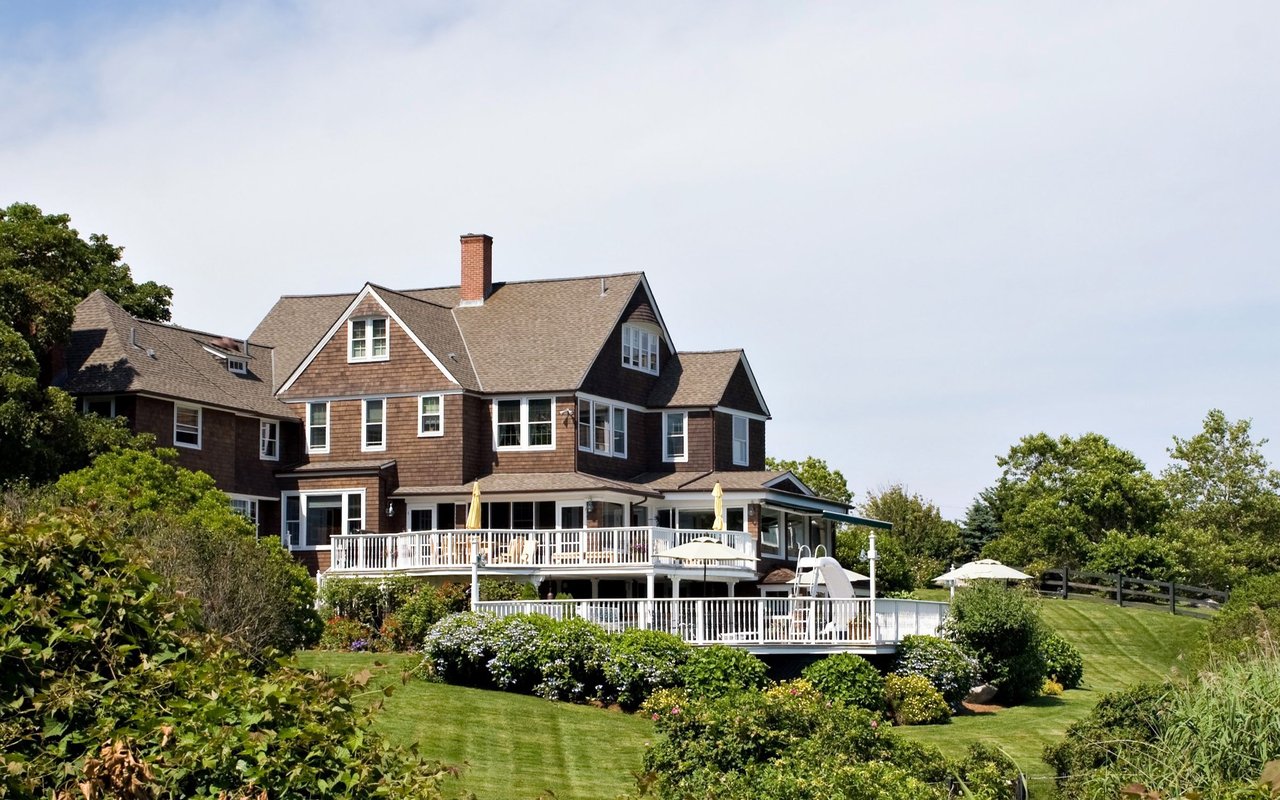
Cape Cod cottages are simple, sturdy, and full of character. Hallmarks include a one to one-and-a-half story form, steep side-gabled roofs, cedar shingles or clapboard, and compact floor plans where attics and knee-wall spaces often become bonus rooms. Owners typically try to preserve the shingle texture, roofline, and balanced entry when renovating. For a quick style refresher, see how the Cape form is defined in this overview of Cape Cod–style houses.
West Barnstable’s village setting adds another layer. Homes near Route 6A and the Meetinghouse Way area read as historic even when they have modern updates inside. When you plan a renovation, you’ll balance function and efficiency with maintaining the cottage’s proportions and street presence.
Understand West Barnstable reviews and permits
Old King’s Highway visibility
If your property is visible from Route 6A, exterior changes can require a Certificate of Appropriateness through the Old King’s Highway regional district. That may include siding, windows, doors, roofs, fences, and some site features. Start by confirming your address and review requirements with the Old King’s Highway Regional Historic District.
Building, septic, and conservation
The Town of Barnstable issues building, electrical, and plumbing permits and oversees inspections. Contact the Building Division early to understand thresholds for your scope, especially if you plan dormers, new stairs, or structural changes. If you add bedrooms or increase plumbing fixtures, the Board of Health will review your septic design flow under Title 5 regulations. Work near wetlands or within flood-prone areas can involve conservation filings and floodplain standards supported by the town’s hazard mitigation plan.
Quick pre-check
- Is the home visible from Route 6A? If yes, expect Old King’s Highway review.
- Will the project add a bedroom or bath fixtures? If yes, speak with the Board of Health about Title 5.
- Is the site close to wetlands or mapped flood zones? If yes, check conservation and floodplain requirements.
Add usable space the Cape-friendly way
Dormers and attic conversions
Dormers are a classic way to unlock headroom and light while keeping the cottage’s basic roof form. Plan for structural checks where you cut in dormers or new stair openings. Roof and attic framing often need reinforcement, and egress requirements apply in finished spaces. When you enlarge conditioned space, energy code compliance and blower-door testing may be required, so build that into your plan and confirm local expectations for the state’s base and Stretch Energy Codes with the Building Division and this state code overview.
Small additions and site constraints
A rear bump-out or one-story addition can add dining, a mudroom, or a first-floor suite with minimal impact on the street view. Before you sketch, confirm setbacks and how close you are to wetlands or flood areas. If you change bedroom count or design flow, Title 5 can trigger septic upgrades, so coordinate early with the Board of Health under state septic rules.
Keep the look you love
Preserve the iconic silhouette when you can. Match shingle exposure and trim, size dormers to sit comfortably in the roof plane, and keep simple detailing. This approach helps renovations blend with West Barnstable’s historic streetscape while giving you the function you need.
Improve energy performance and comfort
Start with a home energy assessment
Begin with a no-cost home energy assessment through Mass Save, which serves Barnstable County with local delivery by Cape Light Compact. You’ll get prioritized recommendations for air sealing, insulation, and mechanicals, plus clarity on prerequisites for rebates and financing. Learn more in the Mass Save FAQs.
Air sealing, insulation, and ventilation
Older cottages often have minimal insulation and lots of air leakage. The best sequence is air sealing, then insulation, paired with the right ventilation so your home stays dry and healthy. Bathrooms and kitchens need local exhaust that vents outside, and whole-house ventilation should be sized to ASHRAE 62.2 guidance to control moisture and indoor pollutants. For a plain-English explainer, see this overview of ASHRAE 62.2 ventilation basics.
Heat pumps on the Cape
High-efficiency air-source and ductless heat pumps are a strong fit for retrofits, and they pair well with weatherization. On Cape Cod, larger rebates often require pre-weatherization steps and program pre-approval. Review local incentives and installer requirements with Cape Light Compact’s heat pump program.
Energy code and testing
Major renovations and additions can trigger energy-performance documentation, including blower-door testing or HERS ratings depending on scope and local adoption of the Stretch or Specialized codes. Confirm what applies to your address early using the state’s Stretch Energy Code guidance.
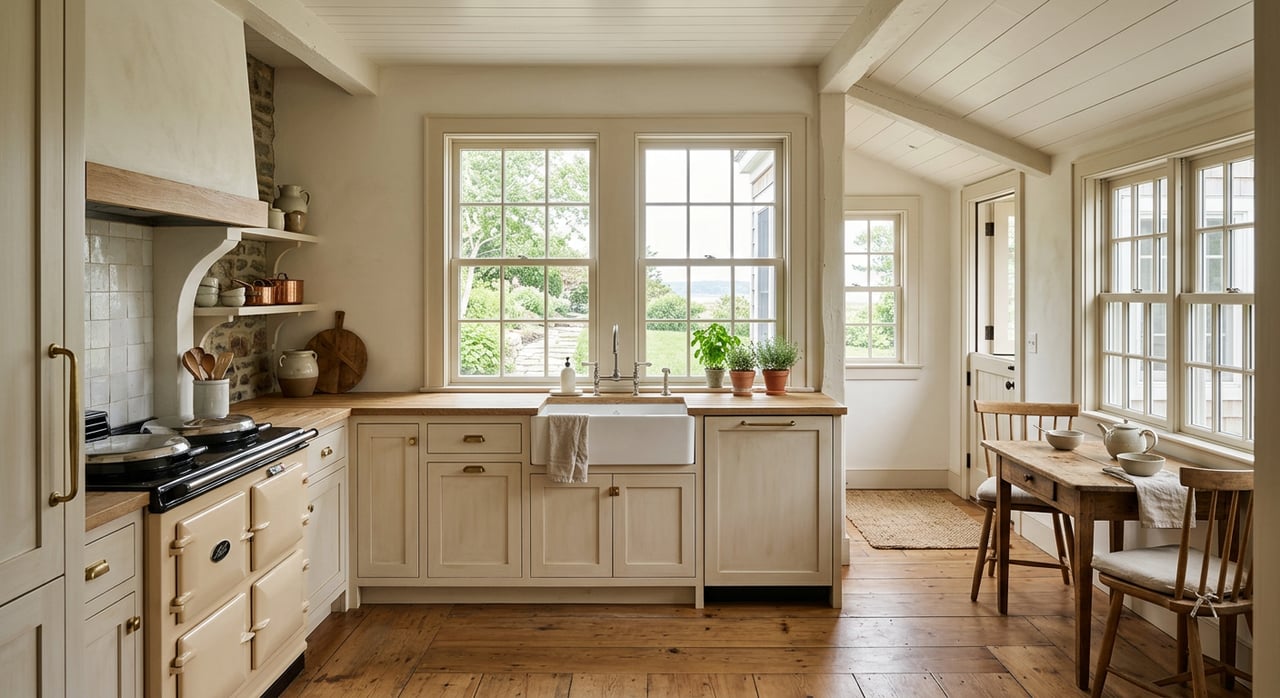
Kitchens and baths that work today
Kitchen and bath remodels are straightforward, but they still involve multiple permits. Electrical and plumbing work must be pulled by licensed trades, and bath fans and range hoods should discharge to the exterior. If you are adding a full bath or changing how rooms are used, confirm septic flow impacts with the Board of Health based on Title 5 thresholds. A quick call up front can prevent mid-project redesigns.
Update systems safely
Electrical readiness
Pre-mid-century cottages may have older wiring or undersized panels that do not meet modern safety or insurance expectations. If you plan a significant remodel, budget for a licensed electrician to assess and upgrade as needed, document work on your permit set, and coordinate inspections. Field best practices for weatherizing older homes are summarized in NREL’s Guidelines for Home Energy Professionals.
Plumbing and septic planning
Legacy galvanized supply lines and aging waste lines are common hidden costs. When fixture counts or bedroom use change, septic design flow is the gatekeeper for what is allowed. Start with a Title 5 conversation before you finalize your floor plan under the state septic code.
Moisture management in a coastal climate
West Barnstable’s marine environment demands careful moisture control. When you tighten and insulate, give assemblies a path to dry so you avoid condensation, rot, or mold. Right-sized ventilation and thoughtful roof and wall details reduce risk, especially with attic and dormer projects.
A practical planning path
Follow this order to save time and avoid surprises:
- Scope and code checks with the Town of Barnstable Building Division.
- Septic and Title 5 implications with the Board of Health using state guidance.
- Conservation and floodplain questions using the town’s hazard mitigation plan as context.
- Old King’s Highway review if your home is visible from Route 6A via the regional district.
- Schedule a no-cost home energy assessment through Mass Save to map weatherization steps and rebate paths.
Professionals to line up: a licensed architect or design-builder for dormers and additions, a structural engineer for framing changes, a septic designer if bedrooms or fixtures increase, and licensed electrician, plumber, and HVAC installer for permitted trades.
Buyer checklist for older cottages in West Barnstable
- Get thorough inspections. Include targeted electrical and plumbing reviews and document any panel or wiring updates. NREL’s field guidance can inform questions for your electrician (Guidelines).
- Confirm septic early. If you plan a new bedroom or bath, Title 5 rules govern design flow and may require an upgrade (state septic rules).
- Book a home energy assessment. Use Mass Save to identify cost-effective air sealing, insulation, and heat pump options.
- Check historic review. If visible from Route 6A, exterior changes likely need Old King’s Highway approval (district info).
- Know your flood context. Review the town’s hazard mitigation plan and ask the town about any floodplain requirements that apply to your address.
- Get itemized bids. Require scopes that list trades, permits, and inspection milestones so you stay on track with local reviews.
Bringing it all together
Renovating a Cape cottage in West Barnstable is about balance. You can add light and headroom with well-scaled dormers, modernize kitchens and baths, and cut energy costs with weatherization and heat pumps, all while keeping the shingle texture and roofline that make these homes special. Plan your scope, check septic and reviews early, and build a team that understands Cape cottages and local codes.
If you want a local sounding board before you commit, reach out to John DeLellis. With deep neighborhood knowledge and practical building insight, you’ll get a clear path from “wish list” to walk-through.
FAQs
Will finishing an attic in a West Barnstable Cape cause moisture problems?
- Not if you pair air sealing and insulation with right-sized mechanical ventilation per ASHRAE 62.2 and vent baths and kitchens outdoors; confirm details with your contractor and local code officials (ventilation basics).
Do I need to replace my septic if I add a bedroom in West Barnstable?
- Possibly; adding bedrooms or increasing design flow often triggers Title 5 review and may require upgrades, so speak with the Board of Health early using state Title 5 guidance.
Are window replacements reviewed in the Old King’s Highway area of West Barnstable?
- If your home is visible from Route 6A, exterior changes like windows may require a Certificate of Appropriateness through the Old King’s Highway district; National Register status alone is not a local permit.
How do I qualify for heat pump rebates on Cape Cod?
- Start with a Mass Save assessment, since pre-weatherization is often required; then coordinate installer pre-approval and incentives through Cape Light Compact’s program.
Who issues building, electrical, and plumbing permits in West Barnstable?
- The Town of Barnstable Building Division handles permits and inspections; contact them early for scope and code expectations (Building Division).