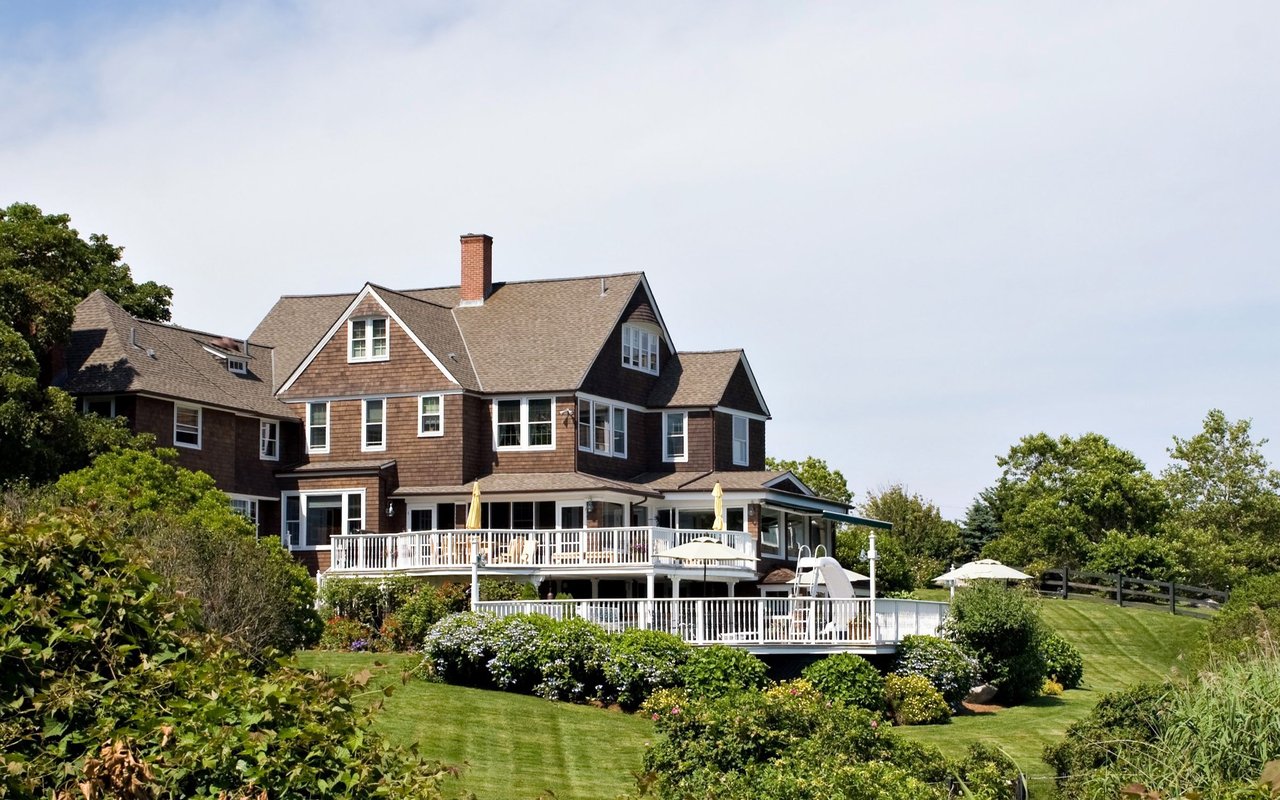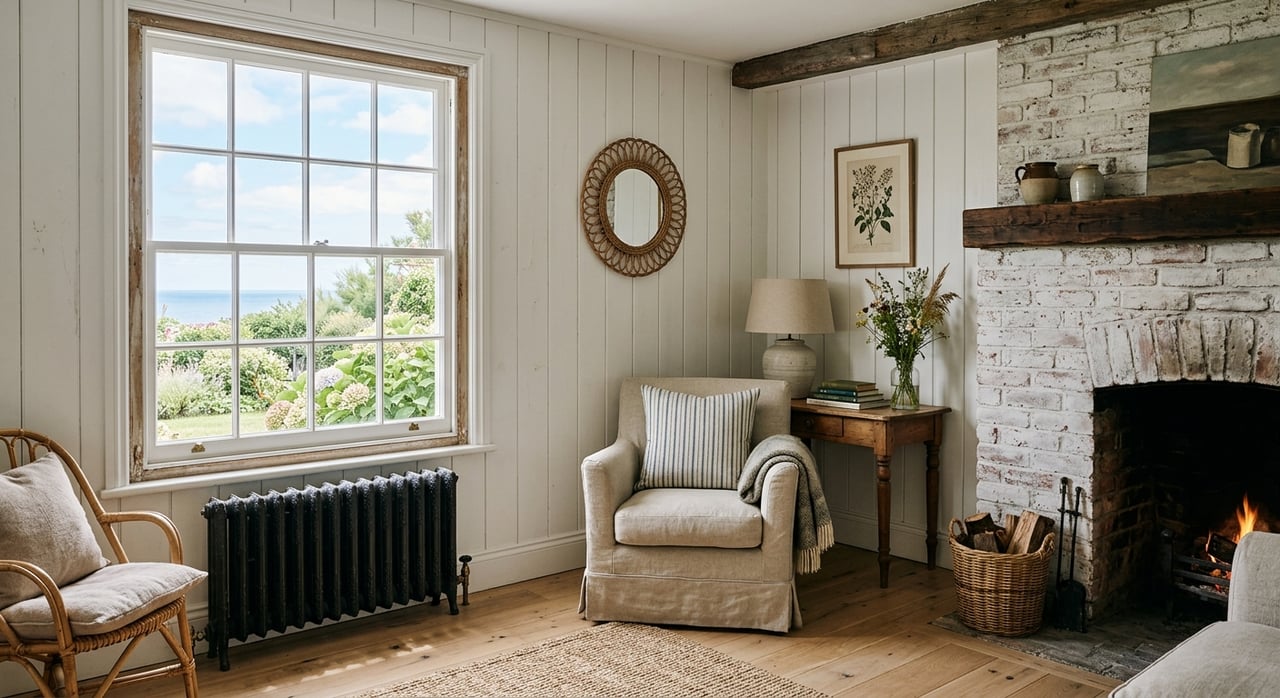
If you have ever fallen for a charming Cotuit cottage and wondered, “Could I actually live here all year?”, you are asking the right question. In this part of Cape Cod, that dream is common, but the answer depends on more than finishes and curb appeal. If you understand the property’s legal use, utility setup, flood exposure, and renovation path before you buy, you can make a much smarter decision. Let’s dive in.
Why Cotuit cottages raise this question
Cotuit sits in a part of Cape Cod where seasonal housing is a major part of the market. According to the Cape Cod housing snapshot from Massachusetts, about 36% of housing units in Barnstable County are seasonal, recreational, or occasional-use properties. That means turning a cottage into a year-round home is not an unusual idea here.
For buyers, that creates both opportunity and homework. Some cottages can be updated for comfortable full-time living, while others run into legal, septic, floodplain, or structural limits. The key is knowing which issues are cosmetic and which ones can change the whole project.
Start with legal year-round use
Before you think about kitchens, insulation, or paint colors, confirm that the property can legally function as a full-time home. In Barnstable, that question can depend on whether the cottage is a standard single-family residence or part of a seasonal-use arrangement.
Under Barnstable’s zoning rules, some coastal districts restrict conversion from seasonal use to year-round use, although single-family residences are exempt from that specific limitation. The same rules state that cottage colonies shall not be used year-round. That makes the legal classification of the property one of the first things you should verify.
Older Cotuit properties can also raise nonconformity issues. If the lot or structure is already nonconforming, planned work may trigger additional review or a special permit if it increases the nonconformity. This is one of those details that is easy to miss early and frustrating to discover later.
Questions to ask about legal status
- Is the property legally a single-family residence?
- Is it part of a cottage colony or another seasonal-use setup?
- Is the lot or structure nonconforming under current zoning?
- Would your planned renovation increase any nonconformity?
Check septic or sewer early
In my view, this is often the biggest practical checkpoint after legal use. A cottage that works fine for summer weekends may need a very different wastewater setup for daily, year-round living.
Barnstable’s Board of Health states that an existing building may not change from seasonal to year-round use unless the on-site disposal system can handle year-round sewage and the building meets minimum standards of fitness for human habitation, as outlined in the town code. In simple terms, if the septic system cannot support full-time use, the conversion may not be approved as-is.
Sewer availability can matter just as much. The town’s sewer connection policy says buildings that abut a public sewer must connect within six months of notification. Depending on the property, a tie-in can involve a sewer connection or trench permit, a septic abandonment permit, and sometimes a plumbing permit.
Why this matters so much
A sewer or septic issue is not usually a minor repair. It can affect your budget, timing, and whether the property makes sense as a primary residence. If you are serious about a Cotuit cottage, this is one of the first due diligence items worth digging into.
Look hard at flood and coastal exposure
Cotuit’s coastal setting is part of its appeal, but it also adds another layer of planning. Barnstable’s 2025 Housing Production Plan identifies Main Street Cotuit as an area with particular flood vulnerability and highlights the town’s shoreline, floodplain, and storm-surge exposure in broader planning discussions.
For you as a buyer, that can influence far more than insurance. Flood exposure can affect foundation work, drainage improvements, crawlspace conditions, and what kinds of renovations are realistic if you plan to live in the home year-round.
Barnstable’s flood regulations also require elevated construction in certain flood zones, and code provisions for V zones can require open foundations or breakaway-wall-type construction under certain conditions. If the property is near wetlands or shoreline resources, the town’s Building Division overview notes that the Conservation Division is also part of the review landscape because it handles wetlands and shoreline protection.
Flood-related questions to ask
- Is the home in a mapped flood zone?
- Is the lot near wetlands or coastal resource areas?
- Would planned additions or structural work trigger elevation or foundation requirements?
- Are there signs of drainage problems, standing water, or chronic dampness?
Focus on the house as a system
One reason I like helping buyers evaluate Cape homes is that older cottages often look simple on the surface but behave like a system underneath. For year-round living, comfort depends on how the whole house handles heat, air, and moisture.
That means you want to look past attractive staging and ask what is happening in the attic, walls, crawlspace, basement, and around the exterior envelope. A beautiful cottage can still be drafty, damp, and expensive to operate if the core systems are not ready for full-time occupancy.
Insulation and air sealing
Insulation and air sealing are usually the first real steps toward year-round comfort. The U.S. Department of Energy explains that moisture control improves the effectiveness of air sealing and insulation, which is especially important in older homes.
If a cottage has little insulation or uncontrolled air leakage, winter comfort can be a challenge. You may also see condensation issues if warm indoor air meets cold surfaces. That is one reason I always suggest looking beyond décor and understanding what is behind the finishes.
Heating and cooling
A true year-round home needs a heating system that can perform reliably through a Cape winter. Supplemental heat that works for shoulder seasons may not be enough for full-time living.
Massachusetts offers several home energy assistance programs for eligible households, including heating assistance, weatherization, and heating-system repair or replacement. Even if you do not expect to use those programs, they are useful to know about when you are building a realistic renovation budget.
Windows, doors, and envelope upgrades
Windows and doors affect drafts, heat loss, and condensation. In Barnstable, these are not just style decisions. The town’s permit applications and forms page specifically includes expedited permit applications for items such as roofs, siding, windows, and wood stoves.
That tells you something important: exterior upgrades should be treated as permit and code issues, not just cosmetic changes. If you are buying a cottage with older windows or worn siding, plan to ask what approvals may be needed before work begins.
Moisture control matters on Cape Cod
On Cape Cod, moisture is one of the biggest comfort and durability issues in older homes. The EPA’s guide to mold and moisture in your home recommends keeping indoor humidity low, venting moisture-producing appliances, drying wet materials quickly, and fixing leaks as soon as possible.
That guidance is especially relevant in Cotuit, where flood and storm exposure can already put pressure on the building envelope. If a cottage has a damp crawlspace, condensation on windows, staining, or musty odors, those clues deserve serious attention before you assume the house is ready for all four seasons.
Historic review can affect exterior changes
Some Cotuit properties come with another layer of review that buyers overlook at first. Barnstable’s housing plan identifies a Cotuit National Register Historic District on Main Street, and the town’s Historical Commission reviews demolitions and partial demolitions of many older properties outside local historic districts as well.
If your plan includes major exterior changes, it is worth checking whether historic review could apply. That does not automatically stop a project, but it can affect timing, design decisions, and the overall renovation strategy.
Know which town offices matter most
Barnstable’s process gives you a practical roadmap. The Building Division handles permitting and inspections for construction, zoning enforcement, and electrical, gas, and plumbing codes. The Health Division handles septic permitting and inspection, and the Conservation Division protects wetlands and shorelines.
For most detached cottage conversions, those are the key starting points. The order matters too: check legal use first, then septic or sewer capacity, then flood and coastal constraints, and then move on to comfort and finish upgrades.
A simple Cotuit cottage checklist
Before you make an offer, try to answer these questions:
- Is the property legally usable as a year-round single-family residence?
- Is it located in a flood zone, wetlands buffer, or other coastal overlay area?
- Does the septic system support year-round occupancy, or is sewer available?
- Are there signs of moisture intrusion, mold risk, or poor ventilation?
- What condition are the insulation, windows, doors, and heating system in?
- Will exterior work require building permits or additional review?
- Could historic review apply to planned changes?
The bottom line for buyers
A charming Cotuit cottage can absolutely become a comfortable year-round home, but you do not want to assume the path is simple just because the house looks move-in ready in summer. The real questions are legal use, wastewater capacity, flood exposure, permitting, and how well the structure handles heat and moisture.
That is where local guidance can make a real difference. If you are weighing a cottage purchase in Cotuit or anywhere in Barnstable, John Delellis can help you look at the property with both a buyer’s eye and a building-systems mindset so you can move forward with more clarity and confidence.
FAQs
Can a seasonal cottage in Cotuit be used as a year-round home?
- Sometimes, but you need to verify that the property is legally a single-family residence and not part of a seasonal-use arrangement such as a cottage colony, since Barnstable zoning can limit year-round use in some cases.
What is the most important utility issue when converting a Cotuit cottage to year-round living?
- Septic or sewer capacity is often the biggest issue because Barnstable requires that a property changing from seasonal to year-round use be able to handle year-round sewage disposal.
Do flood zones affect a Cotuit cottage renovation project?
- Yes, flood zones can affect insurance, foundation requirements, drainage planning, and the scope of permitted improvements, especially in coastal and V-zone areas.
What building upgrades matter most for year-round comfort in a Cotuit cottage?
- Insulation, air sealing, a reliable heating system, moisture control, and well-performing windows and doors are usually the core upgrades that determine comfort through the winter.
Do you need permits for windows, siding, or heating changes in Barnstable?
- Often, yes. Barnstable’s permitting structure covers many common upgrades, including windows, siding, and other system-related work, so it is smart to confirm permit requirements early.
Could historic review apply to an older cottage in Cotuit?
- Yes, especially if the property is in or near the Cotuit National Register Historic District or if the planned work involves demolition or partial demolition of an older structure.