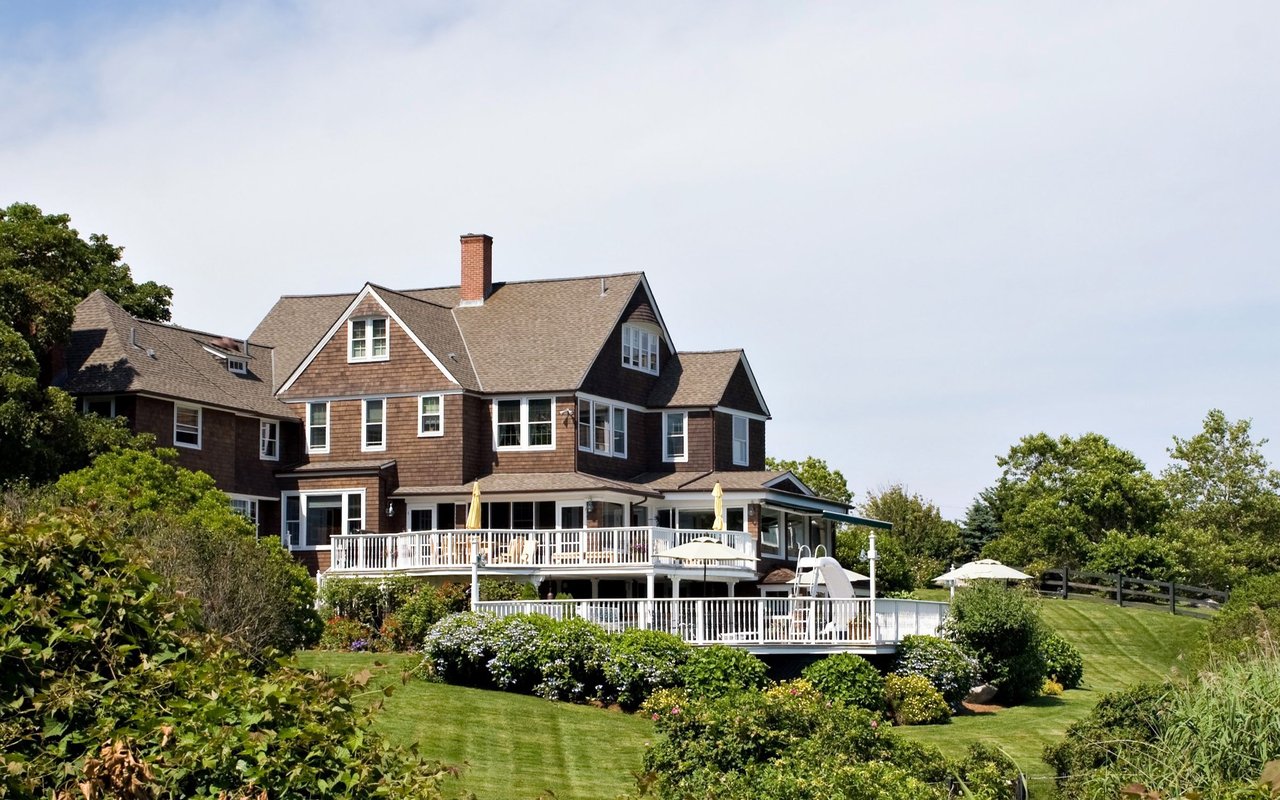
Thinking about updating an older home in West Barnstable? You are not alone. Many homes here offer charm, history, and solid character, but they can also bring questions about permits, moisture, layout changes, and how far to go without losing what makes the house special. If you want to improve function while respecting the home and the village around it, a thoughtful plan can make all the difference. Let’s dive in.
Why West Barnstable Calls for Care
West Barnstable is one of Barnstable’s older villages, with deep roots in agriculture and a built landscape shaped by farmhouses, barns, outbuildings, open land, and scenic roads. Town planning documents describe the area as more vernacular than ornate, which means simpler forms and practical details are a big part of its identity.
That matters when you renovate. In the West Barnstable Village National Register Historic District on Meetinghouse Way, buildings and outbuildings dating from 1717 to 1920 help define the village core. If your home is in or near that area, exterior changes should be approached with close attention to scale, rooflines, and materials.
Start With What the House Already Does Well
Older homes in West Barnstable often have strengths worth keeping. Original proportions, older windows and doors, and simple exterior forms can give a home warmth and presence that is hard to recreate later.
A smart update usually starts by identifying those character-defining features before you plan major changes. In many cases, preserving and improving what is already there creates a result that feels more natural than stripping everything out and starting over.
Focus on Function, Not Just Finish
It is easy to get pulled toward surface upgrades first. New counters, tile, and lighting are exciting, but older homes usually benefit most from work that improves how the house performs day to day.
That can mean solving drafts, improving circulation, addressing moisture, or making a kitchen work better without erasing the original rhythm of the home. In West Barnstable, that restrained approach often fits better than a dramatic, highly contemporary redesign.
Kitchen Updates That Fit Older Homes
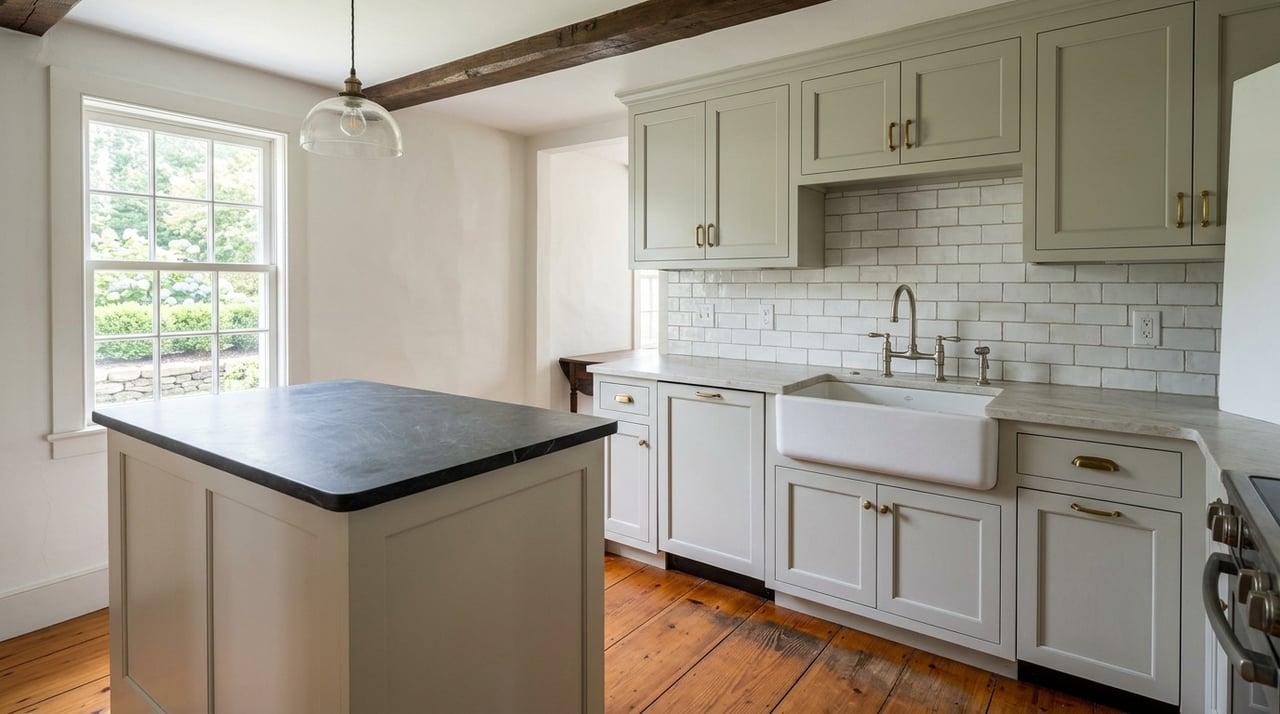
Kitchens are often the first place owners want to change. The best results in older Cape and colonial-style homes usually come from improving function while keeping the home’s scale and character in mind.
Instead of forcing an oversized open plan, look at whether better storage, improved lighting, or a more efficient work layout could solve the real problem. If you do remove walls or rework circulation, make sure the new space still feels connected to the age and proportions of the house.
Good questions to ask before redesigning
- Is the current issue layout, storage, or lighting?
- Will the new plan respect the home’s original room proportions?
- Are any walls load-bearing?
- Will the project involve plumbing, electrical, gas, or window changes?
- Could existing doors, windows, or trim be repaired instead of replaced?
Check Historic Review Early
Before you order windows, choose siding, or finalize exterior plans, check whether your property falls under a historic-review layer. Barnstable has 13 historic districts, including six National Register districts, and the review process can affect what changes move forward and how.
If your property is inside the Old King’s Highway local historic district, exterior changes, fences, signs, new construction, and demolition are reviewed by the district committee. If your property is outside the local historic districts but more than 75 years old, Barnstable’s Historical Commission may review demolition or partial demolition.
For many West Barnstable homeowners, this is one of the most important first steps. It is far easier to confirm the review path early than to redesign a project after materials have been ordered.
Understand Permit Needs Before Demo
Barnstable’s Building Division handles building construction, zoning enforcement, and electrical, gas, and plumbing codes. The town also lists permit applications for building, plumbing, electrical, gas fitting, sheet metal, and certain expedited permits.
If your project includes a kitchen renovation, layout change, wall removal, utility updates, or window replacement, confirm the permit path before demolition starts. Even a project that seems simple at first can expand once walls are opened and systems are exposed.
Do Not Overlook Septic and Bedroom Count
In older homes, a renovation can affect more than just the floor plan. If your changes alter bedrooms or room count, Barnstable’s Health Division may become part of the process because it handles septic system permitting and inspection.
This is especially important if you are converting space that could be interpreted as sleeping space. The town’s guidance specifically addresses bedroom-count issues and notes that some spaces, such as unfinished cellars and unheated storage areas over garages, are not bedrooms.
Why this matters
- Bedroom count can affect septic approvals
- Room reconfiguration can trigger additional review
- Early planning can help avoid redesign costs
- Health Division input may shape what the town will approve
Put Energy Efficiency Near the Top
Older West Barnstable homes often feel drafty in winter and humid in summer. That does not always mean you need to start with full window replacement or a brand-new heating system.
A better first step is usually a home energy assessment. Mass Save says homeowners can start with a no-cost assessment and explore incentives for insulation, air sealing, and heat pumps. Cape Light Compact lists similar homeowner services for Cape Cod, including assessments, insulation, heat pumps, and financing.
Where energy improvements often pay off
- Air sealing around leaks and gaps
- Insulation upgrades
- Heat pump planning
- Comfort and humidity control improvements
Air sealing and insulation can reduce drafts and improve comfort and humidity control, which is especially useful in older Cape homes. In many cases, improving the building envelope first helps you make better decisions about equipment later.
Moisture Control Matters on Cape Cod
On Cape Cod, moisture is not a minor issue. Barnstable’s Health Division says mold grows where there is water or dampness, and removing the source of moisture is critical.
That means a thoughtful renovation should include attention to gutters, grading, drainage, basement conditions, crawlspaces, and indoor humidity. Cosmetic work may look good for a while, but if moisture problems stay hidden underneath, the fix rarely lasts.
Signs to investigate early
- Musty odors
- Damp basement walls or floors
- Peeling paint or staining
- Condensation issues
- Repeated mold cleanup without a clear cause
If hidden moisture or mold is part of the picture, fix the source first rather than covering the symptom. That approach protects both the house and your renovation budget.
Know When to Bring in the Right Pros
A thoughtful project depends on timing and coordination. Barnstable’s Building Division provides contractor license checks for construction supervisor, gas, plumbing, electrician, and home improvement contractor licenses, which makes it a practical place to start when hiring trades.
A structural engineer is a smart addition when the work touches load-bearing walls, floor framing, roof structure, settlement, or major porch or foundation repairs. For energy upgrades, it makes sense to start with an energy assessor before replacing major systems or ordering equipment.
A practical order of operations
- Confirm whether the property has any historic-review layer.
- Define the scope of work clearly.
- Check permit requirements with the Building Division.
- Ask early questions about septic or bedroom-count impacts.
- Schedule an energy assessment.
- Investigate moisture issues before finish work begins.
- Verify contractor licenses and bring in engineering help if needed.
Think Long Term About Value
The best updates in West Barnstable usually do not shout for attention. They make the home easier to live in, more efficient to operate, and better protected from moisture and deferred maintenance, all while keeping the original character that makes older homes here appealing.
That balance can matter whether you plan to stay for years or eventually sell. Buyers are often drawn to homes that feel authentic, well maintained, and thoughtfully improved rather than overly altered.
A Thoughtful Update Can Be a Stronger Update
When you update an older home in West Barnstable, the goal is not to freeze it in time. The goal is to improve comfort and function in a way that respects the house, the parcel, and the local context.
That usually means asking a few key questions early, understanding the town review process, and solving the basics before spending heavily on finishes. If you take that approach, you are far more likely to end up with a home that works better and still feels like West Barnstable.
If you are weighing updates before buying, preparing a house for sale, or trying to understand how renovation choices may affect value, John Delellis can help you think through the big picture with a practical Cape Cod perspective.
FAQs
What should you check first before renovating an older home in West Barnstable?
- Start by checking whether the property falls under a historic-review layer and then confirm permit requirements with Barnstable’s Building Division.
Do exterior changes in West Barnstable require historic review?
- They may, depending on the parcel location and the age of the property, especially if the home is in a historic district or is more than 75 years old and the work involves demolition or partial demolition.
Can a West Barnstable renovation affect septic approval?
- Yes. If your renovation changes bedrooms or room count, Barnstable’s Health Division may need to review septic-related impacts.
What energy upgrades make sense for older West Barnstable homes?
- A home energy assessment is a strong first step, followed by possible air sealing, insulation, and heat pump planning based on the home’s needs.
How should you handle moisture issues in an older Cape home?
- Find and fix the source of water or dampness first, then address cleanup and repairs after the moisture problem is under control.
When should you hire a structural engineer for an older home update?
- It is a good idea when the project involves load-bearing walls, framing changes, roof structure, settlement concerns, or major porch or foundation repairs.